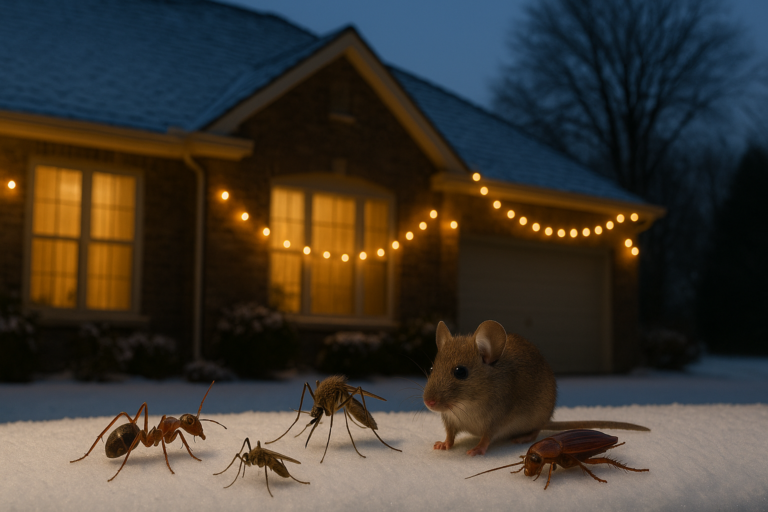
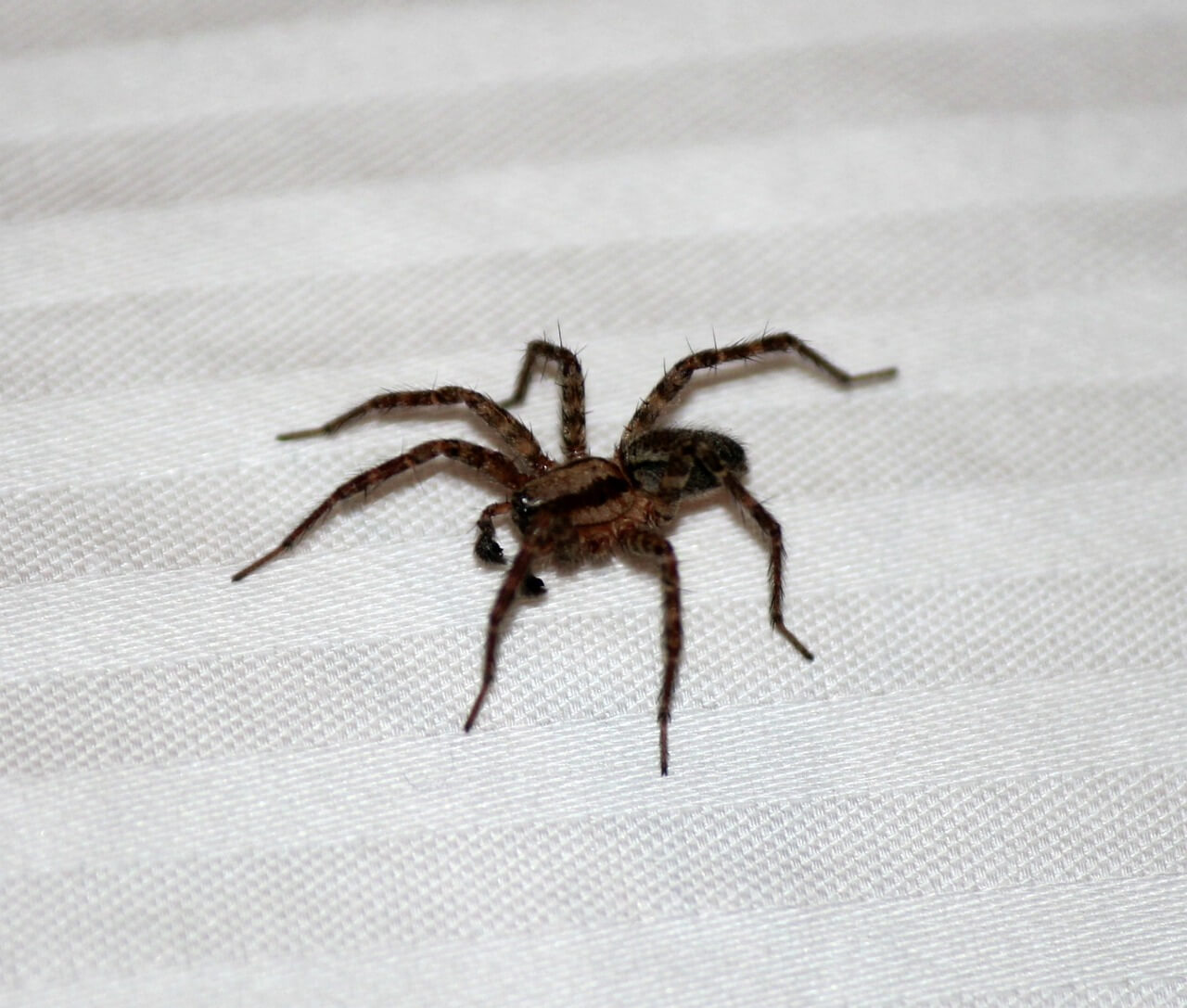
Many pests die off or go into hibernation during the winter, but some home invaders are immune to the chill. We are talking about spiders. These pests don’t just look creepy; spiders can cause harmful bites, allergic reactions, and generally contribute to conditions of squalor. There are many things to keep in mind when it comes to how to keep spiders out, and it’s important to be safe rather than sorry when it comes to arachnid infestations.

Spiders: Immune To Winter
The reason spiders are immune to the cold is that they aren’t warm-blooded animals. They don’t shiver when it gets cold, and many varieties actually have anti-freezing chemicals stored within their bodies. They can circulate this chemical in order to reduce the effects of cold temperatures on their bodies, meaning they can keep right on hunting for food during the winter.
If you’re noticing more active or abundant spider populations, chances are they’ve been inside your home for months. Spiders lie in wait in dark areas of the home, so it’s easy to understand that they may have been active for a while, unseen by homeowners and residents. They definitely get more visible once they’ve grown fatter off of the spoils of their hunts. If a spider does move indoors for winter, it’s not because they need the shelter, it’s because they are seeking out other bugs – their food source – that have moved inside in order to get out of the cold.Household Spider Prevention
Unlike other pests, spiders aren’t interested in getting inside because they need shelter. Rather, they are looking to hunt insects that are hiding indoors. This means that, in order to keep spiders out, it’s important to keep all kinds of critters at bay. There are many factors that can attract them to certain areas of a home. Follow these steps for making sure spiders and other bugs stay outside where they belong:
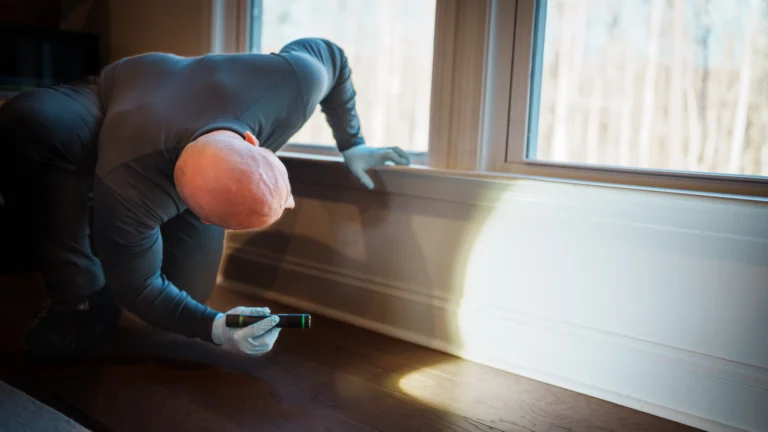
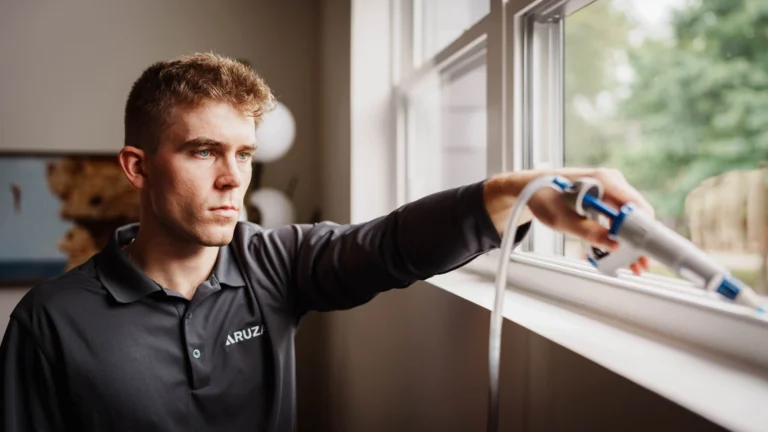
- Seal entry points. Since they can be so small, spiders are able to squeeze in through openings that other pests might not be able to. Searching the walls, windows, and doors of your home for holes and cracks, and making repairs as needed, is a good prevention measure.
- Attics and crawlspaces. Spiders like dark, secluded spaces where they can spin webs and take their prey back for later ingestion. Regularly checking basements, attics, crawlspaces, and garages is a good habit to get into.
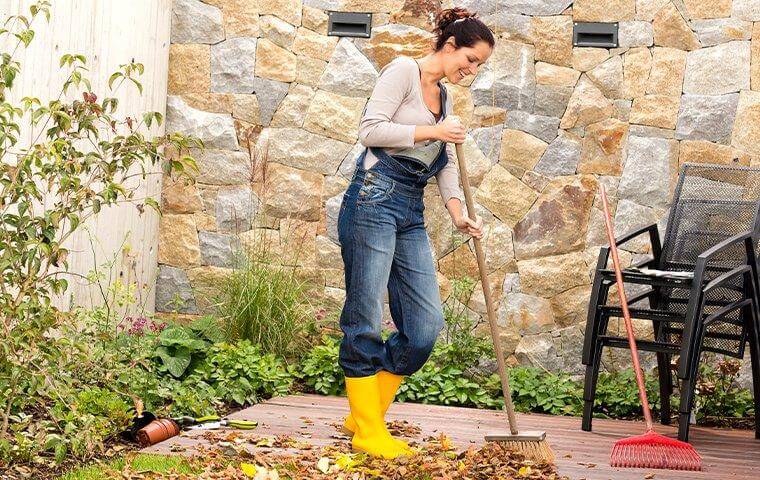
- Regular cleaning. While spiders themselves don’t eat the food scraps left around your home, the things that spiders prey upon certainly do. Keeping your home kept and free from attractive food residues will lessen the food supply of spiders.