Are ant treatments safe for plants, pets, and kids?
The safety of ant treatments for plants, pets, and kids depends on the type of treatment used. Some treatments, such as baits and traps, are relatively safe for these groups. However, other treatments, such as sprays and dusts, can be more harmful and we recommend you rely on a professional for their application. It is important to read the label of any ant treatment carefully before using it to ensure that it is safe for your plants, pets, and kids. Most professional pest control experts use safe methods to stop ants before they get into your home.
How much does ant extermination cost?
The cost of ant extermination varies depending on the size of the infestation, the type of treatment used, and the location of the infestation. In general, ant extermination costs between $50 and $500.
How long before ant extermination works?
The time it takes for ant extermination to work depends on the type of treatment used and the severity of the infestation. In general, it takes 2-4 weeks for ant extermination to work completely.
How often should I have an ant inspection?
The frequency of ant inspections depends on the risk of ant infestation in your area. If you live in an area that is prone to ant infestations, you may want to have an ant inspection every 6 months to 1 year. However, if you live in an area that is not prone to ant infestations, you may only need to have an ant inspection every 2-3 years.
Are ants a sign of a larger problem?
Yes. Ant activity can indicate moisture issues, food access, or hidden nests inside walls or crawlspaces.
What types of ants are most common in homes?
Common household ants include odorous house ants, and pavement ants. Each requires a different treatment approach addressed by Aruza 360 or 360 Plus services.
Why do ants keep coming back after treatment?
Ants often return the when a new colony appears. Consistent treatment by Aruza will address nesting sites, entry points, and food sources.
How do I distinguish carpenter ants?
Carpenter ants are large, black, with a hard exoskeleton, a segmented body, and straight antennae. Unlike termites that have a soft exoskeleton, a straight waist, and elbowed antennae, carpenter ants sport a hard exoskeleton, a bent waist, and straight antennae.
What can I do to eliminate carpenter ants?
To get rid of carpenter ants, you can use ant bait or spray. Seal up cracks, keep your home clean, and remove water sources. If the infestation is severe, call an exterminator.
What can I do to eliminate carpenter ants?
To get rid of carpenter ants, you can use ant bait or spray. Seal up cracks, keep your home clean, and remove water sources. If the infestation is severe, call an exterminator.
What ways do carpenter ants enter my home?
Carpenter ants can infiltrate your home through:
- Cracks or holes in the building’s foundation
- Open windows or doors
- Damaged wood
- Outdoor plants brought inside
How can I get rid of fire ants?
Dealing with fire ants can be tricky, and if you’ve got a severe problem, it might be time to call a professional pest control company. However, if you only have a few unwelcome visitors, you can try deterring them by sealing any access points in your home, and promptly cleaning up food/drink spills.
How do fire ants get into my house?
Fire ants are quite the explorers, and they can venture into your home through any cracks and crevices in your foundation, windows, and doors. They’re also great at hitchhiking on your belongings, such as grocery bags, moving boxes, planters, and toys.
How do I identify a fire ant?
Fire ants are tiny crimson or black warriors, armed with a sting that you won’t soon forget. You can often spot them bustling around their sand or soil mounds.
Do bed bugs pose health risks?
While not known to transmit disease, bed bugs cause bites, skin irritation, allergic reactions, and sleep disruption.
Can bed bugs be eliminated in one visit?
Severe infestations often require multiple treatments to fully eliminate eggs, nymphs, and adults.
Do bed bugs only live in beds?
No. Bed bugs hide in mattresses, furniture, baseboards, outlets, and wall voids near sleeping areas.
How do bed bugs get into a home?
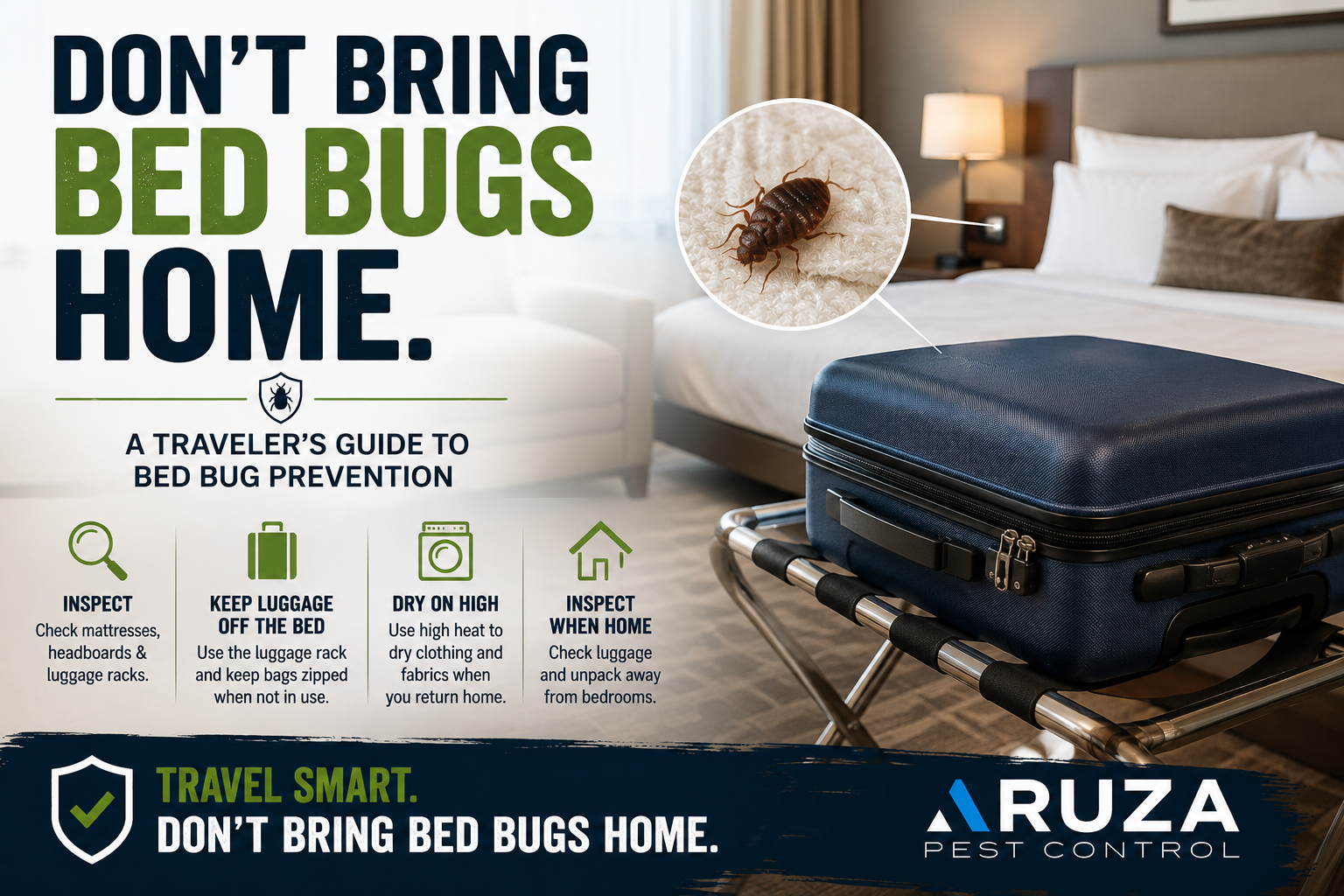
Bed bugs are commonly brought in through luggage, furniture, clothing, or guests. They do not indicate poor cleanliness.
Can bed bugs live outside?
Bed bugs are adapted to indoor environments and do not survive well outdoors for long. They may be carried outside on items or clothing, but they typically die off without a human host and sheltered conditions.
Can bed bugs transmit blood‚ airborne illnesses?
Bed bugs are not currently considered major disease vectors like mosquitoes or ticks. There is limited research suggesting they could potentially carry some pathogens, but they are not known to commonly transmit blood‚ airborne diseases to people.
How long can bed bugs go without food?
Adult bed bugs can survive for several months without feeding, and under ideal conditions they may last close to a year. Younger stages survive for shorter periods but can still go weeks or months without a blood meal, which is why thorough, professional treatment is so important.
What do bed bug bites look like?
Bed bug bites usually show up as small, red, itchy welts, often in clusters or lines on exposed skin. Reactions vary from person to person and may range from mild redness to more pronounced swelling or irritation.
How do I prevent carpenter bees from nesting in my home?
Seal cracks and gaps in exterior wood, paint or stain exposed boards, and reduce soft wood where possible. Some homeowners also plant strong plants like mint or lavender to make the area less attractive.
How do I get rid of carpenter bees?
Targeted treatments in the galleries using labeled insecticides, followed by sealing the holes, are standard. Traps can also help reduce activity, but for established infestations it is best to work with a pest control professional for a complete plan.
Are carpenter bees aggressive?
Males may hover defensively but cannot sting. Females can sting but are rarely aggressive.
Will sealing wood prevent carpenter bees?
Yes. Painting, sealing, or treating exposed wood reduces attraction and nesting activity.
How are carpenter bees different from bumblebees?
Carpenter bees have shiny, hairless abdomens and tunnel into wood, while bumblebees are fuzzy and nest in the ground.
Why are carpenter bees damaging my home?
Carpenter bees bore into untreated or exposed wood to create nesting tunnels, which can weaken structural surfaces over time.
Are carpenter bees dangerous?
Carpenter bees rarely sting and are generally not aggressive, though females can sting if handled or threatened. The main concern is the structural damage from repeated tunneling in wood rather than the sting risk.
What kind of wood do carpenter bees like?
They prefer softer, untreated wood such as cedar, redwood, and pine, but will also tunnel into other wood types when conditions are right.
What are the signs of a carpenter bee infestation?
Common signs include smooth, round holes about 1/2 inch wide in exposed wood, small piles of sawdust beneath those holes, and increased bee activity around eaves, decks, or other wood structures.
Are cockroaches a health concern?
Yes. Cockroaches can spread bacteria, contaminate food, and trigger allergies and asthma.
Do cockroaches indicate sanitation problems?
Not always. Roaches are often drawn to moisture, plumbing leaks, and warm hiding areas.
What types of cockroaches infest homes?
German, American, and smoky brown cockroaches are the most common indoor invaders.
Why are cockroaches hard to eliminate?
Cockroaches reproduce quickly, hide in dark and moist spaces (under sinks, dishwashers and refrigerators, and can survive on minimal food and moisture.
What is the best way to get rid of cockroaches?
Effective control usually combines sanitation, sealing entry points, and using targeted products such as baits, dusts, and insect growth regulators. Because roaches are resilient, professional treatment often provides faster, more reliable results.
How quickly can a cockroach infestation spread?
Roaches reproduce quickly; a small problem can turn into a widespread infestation in just a few weeks if conditions are favorable and no control measures are taken.
Are cockroaches dangerous?
Cockroaches can contaminate food and surfaces with bacteria and allergens. Their presence is linked to asthma and allergy flareairups, especially in children, so infestations should be addressed promptly.
What are the signs of a cockroach infestation?
Typical signs include live or dead cockroaches, droppings that look like black pepper or coffee grounds, egg cases, shed skins, and an unpleasant, musty odor in heavily infested areas.
How do I prevent cockroaches from entering my home?
Seal cracks and gaps, fix moisture issues, store food in sealed containers, clean up spills and crumbs quickly, and reduce clutter so roaches have fewer hiding spots.
What are the risks of not encapsulating my crawl space?
Unsealed crawl spaces are more prone to excess moisture, mold growth, wood rot, structural damage, pest activity, and poor indoor air quality, all of which can lead to expensive repairs and health concerns.
What are the benefits of crawl space encapsulation?
Benefits include better moisture control, improved air quality, greater energy efficiency, protection of structural components, and potential gains in home comfort and value.
How much does crawl space encapsulation cost?
Costs depend on the size and condition of the crawl space, materials used, and labor required, but many projects fall in a multi-thousand dollar range.
Why should I encapsulate my crawl space?
Encapsulation helps stop moisture problems, discourages pests, supports the home’s structure, and can reduce utility bills by improving energy efficiency.
What is crawl space encapsulation?
It is the process of sealing the crawl space with a vapor barrier and related components to control humidity and prevent moisture intrusion and its side effects.
What are the risks of having a humid crawl space?
High humidity can foster mold and mildew, weaken wood, attract pests, and negatively affect indoor air quality and energy use.
How much does a crawl space dehumidifier cost?
Costs vary by unit size, features, and installation complexity, but whole‚Äëcrawl‚Äëspace systems are often in the hundreds to a couple thousand dollars range.
How do I choose the right crawl space dehumidifier for my home?
Consider the crawl space size, baseline humidity levels, drainage options, energy efficiency, and features such as built‚Äëin pumps or automatic controls, ideally with guidance from a professional.
What are the benefits of using a crawl space dehumidifier?
A properly sized dehumidifier keeps humidity in check, reducing mold risk, protecting wood, and improving overall comfort and air quality in the home.
How important is a crawl space dehumidifier?
In damp climates or problem crawl spaces, it is a key part of moisture management and can be critical to maintaining a healthy, durable home.
Will taking out a loan impact my credit score?
Accepting a financing offer can affect credit. Repayment behavior will also affect credit — paying back on time can have a positive impact while paying late will have a negative impact. It’s easy to set up automatic payments to ensure on time payments and help build a positive credit history.
Checking your eligibility for financing does not impact your credit score (learn more here ).
Will viewing my finance options impact my credit score?
No. When checking your eligibility, Wisetack and its lending partners perform a soft credit pull, which means that your credit score will not be affected. However, accepting a financing offer can affect credit, and repayment behavior will also affect credit.
You can learn about the difference between a soft versus hard credit check here.
Why would I use Wisetack instead of a credit card?
The rate you get with Wisetack may be lower than the rate your credit card company charges for maintaining a balance. Our financing options have simple interest, while credit cards charge compound interest. We don’t charge late fees, prepayment fees, or origination fees.
With Wisetack, you know exactly how much you will pay. Many people like knowing the exact monthly payment amount and find that financing with a fixed term for a specific purpose may be more affordable than a credit card.
All financing is subject to credit approval. Your terms may vary. Payment options through Wisetack are provided by our lending partners. For example, a $1,200 purchase could cost $104.89 a month for 12 months, based on an 8.9% APR, or $400 a month for 3 months, based on a 0% APR. Offers range from 0-35.9% APR based on creditworthiness. State interest rate caps may apply. No other financing charges or participation fees. See additional terms at https://www.wisetack.com/faqs.
Can I use Wisetack without a mobile phone?
Unfortunately, no. You need a mobile phone number in order to use Wisetack. For security purposes, we send you a verification code via SMS when accessing the application.
How does financing work?
Wisetack is a simple way to pay over time for a service or product. From home improvement projects to necessary repairs to your vehicle, Wisetack enables you to break up the cost of a purchase into easy monthly payments. When financing through Wisetack, checking your options doesn’t impact your credit score (learn more here). And there are no prepayment fees, late fees, or compounding interest.
The application is initiated by the service provider and completed by you. On average, the application takes about a minute to complete. If eligible, you will receive several options to choose from with various term lengths and monthly payment amounts.
When you finance through Wisetack, the service provider is paid directly, and you pay over time.
All financing is subject to credit approval. Your terms may vary. Payment options through Wisetack are provided by our lending partners. For example, a $1,200 purchase could cost $104.89 a month for 12 months, based on an 8.9% APR, or $400 a month for 3 months, based on a 0% APR. Offers range from 0-35.9% APR based on creditworthiness. State interest rate caps may apply. No other financing charges or participation fees. See additional terms at https://www.wisetack.com/faqs.
Are fleas and ticks dangerous?
Yes. They can transmit diseases to both humans and pets if left untreated.
Are fleas and ticks dangerous to my pet?
Yes. They can cause itching, skin infections, anemia, and transmit diseases. Heavy infestations can significantly affect a pet’s comfort and health.
Can fleas and ticks live indoors?
Yes. Fleas can infest carpets and furniture, while ticks may hide in baseboards and pet bedding.
Do fleas only come from pets?
No. Fleas can enter homes from wildlife, yards, or previous infestations, even without pets.
How can I prevent fleas and ticks from biting my pet?
Use vet approved preventives such as collars, topical treatments, or oral medications; keep your pet’s coat clean and brushed; avoid high‑risk areas like tall grass and brush; and inspect pets regularly for attached parasites.
How do I get rid of fleas and ticks on my pet?
Use appropriate shampoos or treatments recommended by your veterinarian, treat the home and yard, vacuum frequently, and wash bedding.
Why is treatment important for fleas and ticks?
Interior and exterior treatment reduces breeding grounds and helps prevent re-infestation inside the home.
What are the signs of a flea or tick infestation?
Look for scratching, visible fleas or ticks, flea dirt (tiny black specks in the fur), irritated skin, hair loss, or pale gums in severe cases of blood loss.
What diseases can fleas and ticks transmit?
They can spread several illnesses, including Lyme disease, Rocky Mountain spotted fever, ehrlichiosis, and other bacterial or parasitic infections that affect both pets and people.
What is the Aruza 360° process?
The Aruza 360° process is our signature five-step home protection system: Inspection → Identification → Monitoring → Implementation → Evaluation. It’s designed to deliver year-round pest control tailored to your home’s needs, across our service areas.
Are your treatments safe for my family and pets?
Yes. We follow product label instructions, use industry-approved methods and communicate post-service precautions (e.g., dry time). Our technicians are trained to apply treatments responsibly.
Do you offer same-day or next-day service?
Yes. For select pest issues and in many of our service areas, we offer same-day or next-day service to meet urgent needs.
How do I get started?
It’s simple — schedule your complimentary Home Health Inspection, call our branch, or click “Start Service Today” on our site. One of our local experts will walk you through next steps.
How often does Aruza provide pest control service?
With Aruza 360, we visit your home quarterly – protecting your home from the most common pests. With Aruza 360 Plus, you get enhanced protection: four seasonal treatments each year including MOSQUITO and RODENT protection. Each visit targets pests specific to the current season and your local area.
How often will you visit my home under the Aruza 360° program?
We provide seasonal treatments — typically four visits per year — each aligned with local pest pressures and your home’s unique requirements.
Is Aruza local to my area?
Yes. We serve homeowners through our 12 branch locations across NC, SC, FL & TX.
What service areas do you cover?
We operate 12 local branches across four states: North Carolina, South Carolina, Florida and Texas. Within those states we serve key metro areas and surrounding communities.
What does your 100% Satisfaction Guarantee cover?
If you’re not completely satisfied with our service, we will return and make things right — no additional cost. It’s part of our commitment to living our values: gratitude, integrity, accountability, kindness and humility.
What’s the difference between Aruza 360 and Aruza 360 Plus?
Aruza 360 is our standard quarterly pest protection:
✔ Comprehensive Coverage – Quarterly treatments designed for year-round protection
✔ Science-Backed Approach – Integrated Pest Management (IPM) ensures precision and effectiveness.
✔ Customer Confidence – Clear communication, consistent results, and a 100% Satisfaction Guarantee.
✔ Safe & Responsible – Every service follows the law, uses Personal Protective Equipment (PPE), and prioritizes the safety of your family and pets.
Aruza 360 Plus includes quarterly pest protection, plus: Pest Control for Every Season:
🌱 Spring – Stop ants, termites & mosquitoes before populations explode.
☀️ Summer – Break breeding cycles of ants, mosquitoes & roaches.
🍂 Fall – Block pest migration indoors (ants, spiders, rodents).
❄️ Winter – Defend against rodents & indoor nesting pests.
Both services come with our 100% Satisfaction Guarantee!
What happens if I’m not satisfied?
Our 100% Satisfaction Guarantee means we’ll return and make it right — no extra cost.
What should I expect during a visit?
Our technicians will inspect both inside and outside your home, identify pest activity and entry points, monitor conditions, implement the targeted treatment, then evaluate and communicate results. We leave you informed and protected.
What pests does Aruza handle?
Aruza offers protection against ants, spiders, roaches, mosquitoes, termites, rodents, wasps, and more — tailored to your location and season.
What if pests come back between visits?
They shouldn’t — but if they do, you’re covered. We return under our program to make it right and keep your home pest-free.
Why should I choose Aruza?
Because we’re a values-based, customer-focused pest control company with local branches in North Carolina, South Carolina, Florida and Texas. From Charlotte to Houston, our teams know your region, your pests and your home environment. We back our service with a 100% Satisfaction Guarantee.
Is Aruza’s pest control insulation environmentally friendly?
Yes, it is made from up to 85% recycled paper, making it an eco-friendly choice for your home insulation needs.
Can pest control insulation help reduce energy costs?
Yes! According to the DOE, homeowners can save up to 20% on heating and cooling costs by adding insulation and sealing air leaks. Pest Control insulation also helps block heat loss in winter and heat gain in summer, reducing energy usage.
Why should I add more insulation if I already have some?
Many homes lack the insulation levels recommended by the U.S. Department of Energy (DOE). Adding Pest Control insulation can improve energy savings, help maintain consistent indoor temperatures, and enhance overall comfort.
How does pest control insulation work?
The insulation is treated with Zone Defense, which prevents pest damage and infestations. Its blow-in application fills gaps and voids left by other insulation types, creating a thermal barrier that reduces air leaks and increases energy efficiency.
What is pest control cellulose insulation?
Pest Control cellulose insulation is an energy-efficient, blow-in insulation material treated with the Zone Defense® additive, an EPA-registered insecticide. It helps protect your insulation from pests such as cockroaches, carpenter ants, silverfish, and darkling beetles while improving energy efficiency and sound control.
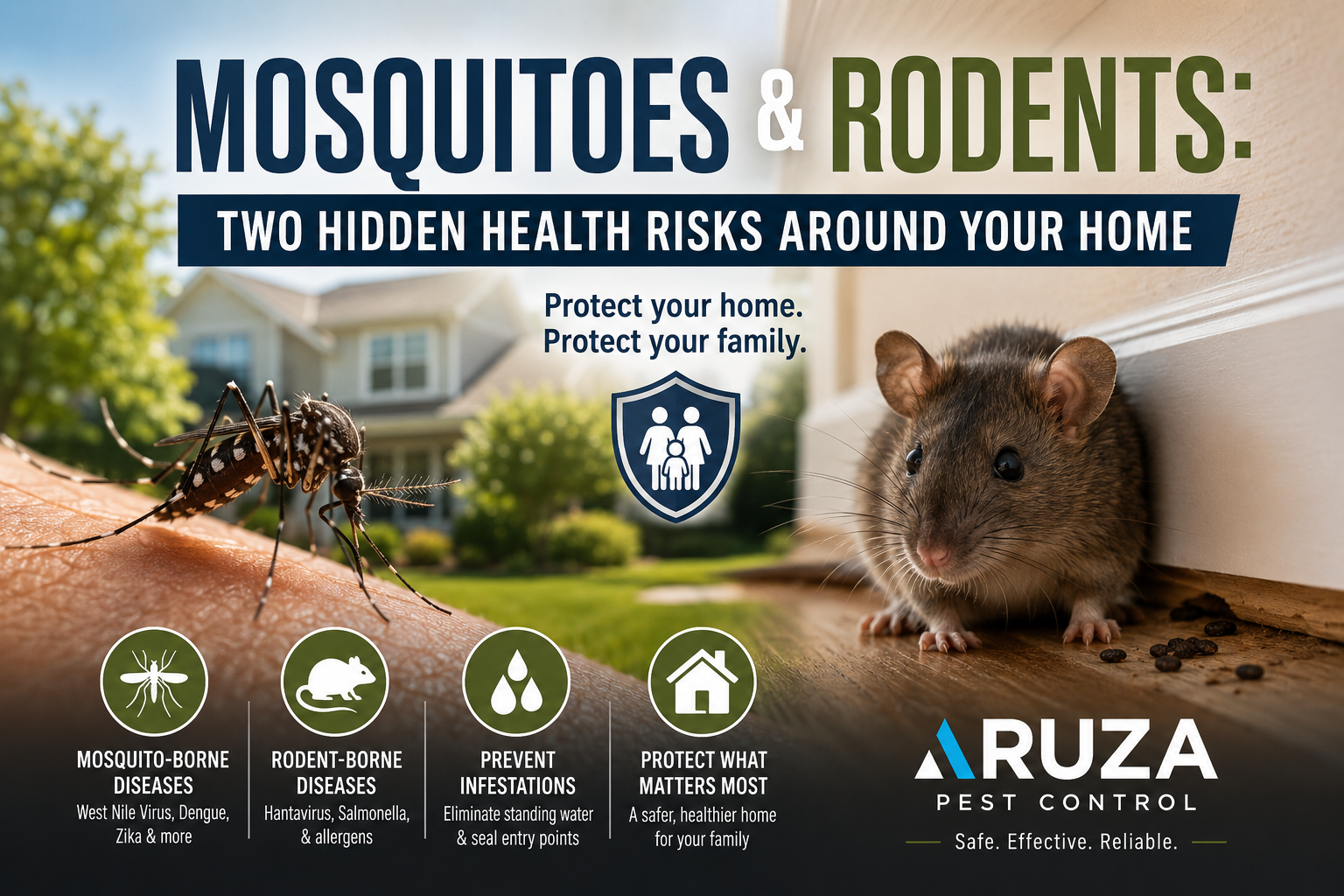
Why are mosquitoes worse around my home?
Standing water, shaded areas, and dense vegetation create ideal breeding conditions.
Do mosquito treatments protect my whole yard?
Professional treatments target resting and breeding areas to reduce populations throughout the property.
How do I keep mosquitoes away?
Wondering how to make your home a no-fly zone for mosquitoes? Here’s the action plan:
- Drain Standing Water
- Remember, mosquitoes love their nurseries to be stagnant water bodies. Birdbaths, flowerpots, and old tires can unknowingly become mosquito maternity wards. Drain them regularly to prevent mosquito breeding!
- Wear Repellent
- Wearing insect repellent is akin to donning an invisible force field. When choosing your repellent, look for the knight-in-shining-armor ingredients like DEET or picaridin.
- Use Windor and Door Screens
- Screens on doors and windows are your house’s personal bouncers, keeping unwanted mosquito guests out.
- Attack at the Right Time
- Mosquitoes are most active during dawn and dusk. Try to avoid being outdoors during these peak mosquito happy hours (though this is hard around July 4th).
- Use Mosquito Traps
- Using a mosquito trap can help reduce the mosquito count in your yard. It’s like a mini-vacation spot they can check into but never leave.
- Call Aruza Pest Control
- If your mosquito problem feels like an invasion, it’s time to bring in the professionals – calling pest control companies like Aruza can quickly remedy the problem and give you a solid prevention plan.
Are mosquitoes a health risk?
Yes. Mosquitoes can transmit diseases such as West Nile virus and other pathogens.
Can mosquitoes breed in small amounts of water?
Yes. Mosquitoes can breed in bottle caps, gutters, planters, and other small water sources.
How do I get rid of mosquitoes?
Eliminate standing water, maintain your yard, use repellents and fans outdoors, install or repair window and door screens, and consider professional yard treatments for heavy infestations.
How do mosquitoes find their prey?
They track carbon dioxide from our breath, body heat, movement, and certain skin odors to locate people and animals to bite.
How do mosquitoes transmit diseases?
Mosquitoes, especially the females as they are the only ones that feed, are much more than just annoying. When these bloodthirsty ladies feed, they can pick up diseases from an infected host, and voila! The next unsuspecting victim they bite becomes the new recipient of the illness.
What are the best ways to prevent mosquito bites?
Wear long sleeves and pants, use EPA registered repellents, avoid being outside at dawn and dusk when possible, and use fans, screens, or nets to create physical barriers between you and mosquitoes.
What are the signs of a mosquito bite?
Most bites cause a small, raised, itchy bump. Some people may experience swelling, blistering, or more intense reactions; any concerning symptoms after bites should be checked by a healthcare provider.
What diseases can mosquitoes transmit?
Depending on the region, mosquitoes can spread illnesses like West Nile virus, Zika, dengue, malaria, chikungunya, and others.
Do rodents cause structural damage?
Yes. Rodents chew wiring, insulation, and wood, increasing fire and safety risks.
Why is exclusion important for rodent control?
Sealing entry points prevents rodents from returning after removal.
Are rodents active year-round?
Yes, but activity often increases in colder months when rodents seek warmth indoors.
What attracts rodents into homes?
Food sources, shelter, warmth, and entry gaps around foundations, doors, and utility lines.
How can I prevent rodents from entering my home?
Seal openings larger than about a quarter inch, store food in sealed containers, keep trash covered, trim vegetation away from the home, and reduce clutter that could serve as nesting sites.
What are the signs of a rodent infestation?
You may notice droppings, gnaw marks, scratching sounds in walls or ceilings, nests made of shredded material, or greasy rub marks along baseboards and runways.
Are rodents dangerous?
Rodents can spread diseases, introduce fleas and ticks, contaminate food, and damage wiring and structures through constant gnawing, which can even create fire hazards.
How do I get rid of rodents?
Combine exclusion (sealing entry points) with traps or bait stations, improve sanitation, and, for larger infestations, work with a professional who can design a full rodent management plan.
How much does rodent control cost?
Costs vary with the severity of the problem, home size, and whether ongoing monitoring is included, but many services fall somewhere between a few hundred dollars and higher for complex cases.
How much does a crawl space rodent exclusion cost?
Pricing varies with crawl space size, accessibility, and materials, but a basic exclusion project can range from a few hundred dollars to more for extensive work.
What are the different types of crawl space rodent exclusions?
Methods include installing physical barriers such as mesh and door sweeps, screening vents, sealing cracks and gaps, and using repellents where appropriate.
How do you install a crawl space rodent exclusion?
Technicians inspect for entry points, seal openings with rodent‚Äëresistant materials, secure vents, and may combine this with trapping and cleanup for a complete solution.
Why do I need a crawl space rodent exclusion?
Exclusion keeps rodents from entering, protecting wiring, insulation, stored items, and your family’s health from the risks associated with droppings and nesting.
What is a crawl space rodent exclusion?
It is a service focused on sealing potential entry points and reinforcing weak spots so rodents cannot move into or through the crawl space.
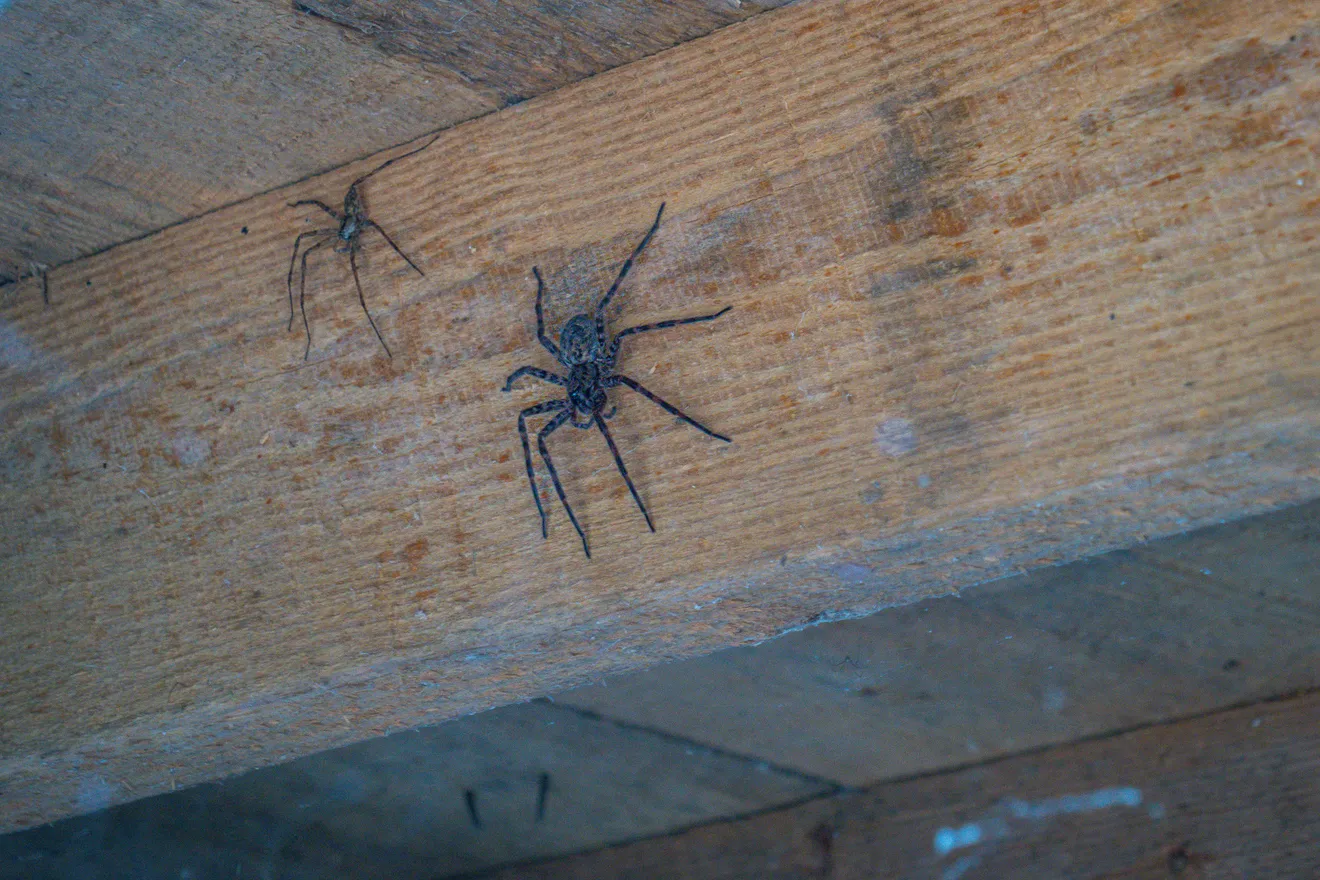
Do spiders infest homes?
Spiders do not infest like insects but may establish harborage areas indoors.
Will spider treatments eliminate webs?
Treatments reduce spider populations and web-building activity over time.
Why do I have spiders if I do not see insects?
Spiders often indicate hidden insect activity that provides a food source.
How do spiders spin webs?
Spiders produce silk from spinnerets at the end of their abdomen. They use different types of silk threads to anchor, build, and strengthen webs for catching prey or protecting themselves.
What are the different types of spiders?
There are tens of thousands of spider species worldwide, including common house spiders, orb-weavers that build large circular webs, ground-welling wolf spiders, and larger species like tarantulas.
Are spiders dangerous?
Most spiders are harmless to people and help control insects. A few species have medically significant bites, so suspicious bites or severe reactions should be evaluated by a medical professional.
How can I get rid of spiders?
Reduce clutter and insects they feed on, vacuum up webs and egg sacs, seal cracks around doors and windows, and use spider‚Äëlabeled products carefully where needed. For heavy activity, professional treatment is recommended.
What do spiders eat?
Most spiders feed on insects and other small arthropods, which makes them natural pest controllers. Larger species may occasionally prey on small vertebrates.
How do termites reproduce?
Reproductive termites, called alates, leave the colony in swarms, mate, and start new colonies. Established queens then lay large numbers of eggs to grow the population.
What kind of wood do termites eat?
Termites feed on cellulose found in wood and other plant-based materials. Some species prefer softer, moist wood, while others can attack a wide range of wood types.
What are the signs of a termite infestation?
Signs include hollowed or damaged wood, mud tubes, discarded wings, and small, pellet-like droppings.
Are termites dangerous?
Termites don’t typically harm people directly, but they can cause significant structural damage to buildings, which can be extremely costly to repair.
How do I get rid of termites?
Effective termite control usually requires professional inspection and treatment using soil treatments, bait systems, or localized applications. DIY methods are rarely sufficient for full colony elimination.
How often should termite inspections be done?
Annual inspections are recommended to detect early signs of activity.
What is the difference between baiting and liquid treatments?
Baiting targets the colony over time, while liquid treatments create a protective barrier.
Are termites visible during an infestation?
Often no. Many infestations remain hidden behind walls, floors, or foundations.
How do termites damage homes?
Termites feed on cellulose in wood, causing hidden structural damage over time.
How can I prevent termites?
The best way to deal with termites is to prevent them in the first place. Here are some effective termite prevention strategies:
- Regular Inspections: Regular termite inspections by professionals can catch an infestation early, saving you money in the long run.
- Reduce Moisture: Termites thrive in damp environments. Fixing leaks and ensuring proper drainage can make your home less appealing to them.
- Use Treated Wood: If building or renovating, consider using treated wood that’s resistant to termites.
- Maintain a Clear Perimeter: Keep mulch, firewood, and other cellulose materials away from the foundation of your home to reduce the risk of attracting termites.
How much does a termite treatment cost?
The termite treatment cost can vary greatly depending on the extent of the infestation, the method of treatment, and the size of your property. On average, homeowners can expect to spend between $500 and $2500 for professional treatment. Though it might seem like an investment, it pales in comparison to the potential cost of repairing significant termite damage.
Sorry, no FAQ matched your criteria.
Are wasps beneficial?
While they help control other insects, nesting near homes poses safety risks.
Is it safe to remove a wasp nest myself?
DIY removal is risky and can lead to stings. Professional removal is strongly recommended.
Where do wasps typically build nests?
Common locations include eaves, attics, sheds, trees, and wall voids.
Why are wasps aggressive near homes?
Wasps defend their nests and become more aggressive when nests are disturbed.
How can I get rid of wasps?
Do not disturb active nests without proper protection. In many cases, the safest option is to hire a professional to remove nests and apply targeted treatments around key areas.
What do wasps eat?
Wasps often prey on other insects and may also feed on nectar, sugary drinks, or protein‚Äërich foods, which is why they show up at outdoor gatherings.
How do wasps build their nests?
Many species chew wood fibers mixed with saliva to create papery combs; others use mud or burrow into the ground. Over time, they expand the nest as the colony grows.
What are the different types of wasps?
Common examples include paper wasps that make exposed combs, yellowjackets that nest in the ground or structures, and larger hornets that can be especially defensive.
Are wasps dangerous?
Wasps can sting repeatedly and may respond aggressively if their nest is threatened. Stings are painful and can trigger serious allergic reactions in some people.
Can I cancel if the service is not working?
Yes. If a covered pest issue cannot be resolved within 30 days after re-service attempts, you may cancel without a termination fee.
Do I still owe money if I cancel?
Yes. Cancellation does not remove responsibility for services that have already been completed and billed.
How do I cancel Aruza service?
You can cancel by contacting our customer support team by phone or email. We will review your account and guide you through the process.
How much is the Aruza cancellation fee?
During the first 12 months, the fee is the lesser of the remaining subscription balance or $200. After 12 months, there is no cancellation fee with proper notice.
How much notice is required to cancel?
After the first 12 months, a 30-day written notice is required.
Where can I review my agreement terms?
Your agreement was provided at signup. If you need assistance, our support team can walk you through your terms.
What if I disagree with a charge on my account?
Please contact our support team. We will review your agreement and billing history and provide a clear explanation.
What is included in the 100% satisfaction guarantee?
If your account is current and service conditions are met, Aruza will re-service your home at no charge if a covered pest persists. If the issue is not resolved within 30 days, you may cancel without a fee.
What is the Aruza cancellation policy?
Aruza’s cancellation policy depends on the timing of cancellation and the terms of your agreement, including satisfaction guarantee provisions and first-year service terms.
Does NO FLY ZONE eliminate every fly?
No. Outdoor flies naturally migrate from surrounding areas. NO FLY ZONE is designed to significantly reduce nuisance fly populations and make your outdoor living spaces more enjoyable—not to eliminate every fly.
Where are the fly stations placed?
Our technicians strategically place stations away from patios, pools, outdoor kitchens, and gathering areas to help draw flies away from where your family spends time.
How long do the stations last?
Station performance varies depending on weather, fly pressure, and environmental conditions. Seasonal Service customers receive one included re-service if stations become full during the service season.
Is NO FLY ZONE safe around children and pets?
Our technicians install stations according to manufacturer label directions in appropriate outdoor locations. Customers should avoid moving or opening the stations after installation.
Why doesn’t my regular pest control service control flies?
General pest control programs primarily target crawling insects around the home’s foundation and entry points. Because flies continuously migrate from surrounding areas, effective outdoor fly reduction requires specialized equipment, strategic placement, and a dedicated service approach.