Mosquitoes: Biting Pests That Demand Professional Protection
Mosquito Control Service that delivers targeted, effective mitigation to reduce biting mosquitoes.
Mosquitoes thrive in warm, humid climates and breed in standing water around your home. Left unchecked, they can quickly multiply and become a persistent problem for families and pets. Professional mosquito control requires a comprehensive strategy that targets both adult mosquitoes and breeding sites.

Aruza’s Mosquito Control is included with the Aruza 360° PLUS plan, our most comprehensive pest protection package. With monthly service visits, this plan not only defends against common household pests but also adds scheduled mosquito treatments during high-activity months.
Aruza 360° PLUS Features:
- Monthly Service Visits for year-round pest protection.
- Seasonal Mosquito Treatments (March–October) to suppress mosquitoes when they’re most active.
- Exterior Rodent Deterrent (November–February) for added coverage outside peak mosquito months.
- 30-Minute Minimum Service Duration for thorough treatment and inspection.
- 100% Satisfaction Guarantee backed by Aruza’s customer-first service
Why Choose Aruza for Mosquito Control?
Aruza applies a science-backed, integrated pest management approach with treatments designed for lasting impact. Our technicians are trained to identify mosquito hot spots, apply treatments where they are most effective, and offer ongoing monthly protection during peak mosquito season. Our plans are backed by Aruza’s industry-leading satisfaction commitment.
What Sets Our Mosquito Control Apart?
- EPA-Registered Products: We use professional-grade, EPA-registered products applied precisely for maximum effectiveness while maintaining safety for your family and pets.
- Targeted Seasonal Protection: Regular monthly treatments focus on peak mosquito months (typically March through October), helping disrupt breeding cycles and reduce adult mosquito populations.
- Comprehensive Yard Coverage: Treatments address both areas where mosquitoes rest and areas where they breed, increasing your protection and comfort outdoors.
- Trusted Service Professionals: Aruza technicians are trained, courteous, and committed to solving pest problems with clear communication and dependable service.
What to Expect From Your Mosquito Service
During each monthly visit, your technician will:
- Inspect the property for mosquito breeding areas and resting sites.
- Apply targeted treatments to mulch beds, shaded vegetation, water margins, and other mosquito habitats.
- Recommend proactive steps you can take to reduce mosquito risks around your property.
Start Enjoying Your Yard Again
Don’t let mosquitoes dictate when you can enjoy your outdoor spaces. With Aruza’s professional mosquito control service included in the Aruza 360 PLUS plan, you get dependable protection that helps restore comfort and safety to your yard.
Learn more about our Mosquito Control Service
We have gathered everything you need to know about our Mosquito Control Service, pest facts, most frequently asked questions, and tips on how you can stop or prevent future mosquito infestations from happening.
Mosquito Pest FAQ's
How do I keep mosquitoes away?
Wondering how to make your home a no-fly zone for mosquitoes? Here’s the action plan:
- Drain Standing Water
- Remember, mosquitoes love their nurseries to be stagnant water bodies. Birdbaths, flowerpots, and old tires can unknowingly become mosquito maternity wards. Drain them regularly to prevent mosquito breeding!
- Wear Repellent
- Wearing insect repellent is akin to donning an invisible force field. When choosing your repellent, look for the knight-in-shining-armor ingredients like DEET or picaridin.
- Use Windor and Door Screens
- Screens on doors and windows are your house’s personal bouncers, keeping unwanted mosquito guests out.
- Attack at the Right Time
- Mosquitoes are most active during dawn and dusk. Try to avoid being outdoors during these peak mosquito happy hours (though this is hard around July 4th).
- Use Mosquito Traps
- Using a mosquito trap can help reduce the mosquito count in your yard. It’s like a mini-vacation spot they can check into but never leave.
- Call Aruza Pest Control
- If your mosquito problem feels like an invasion, it’s time to bring in the professionals – calling pest control companies like Aruza can quickly remedy the problem and give you a solid prevention plan.
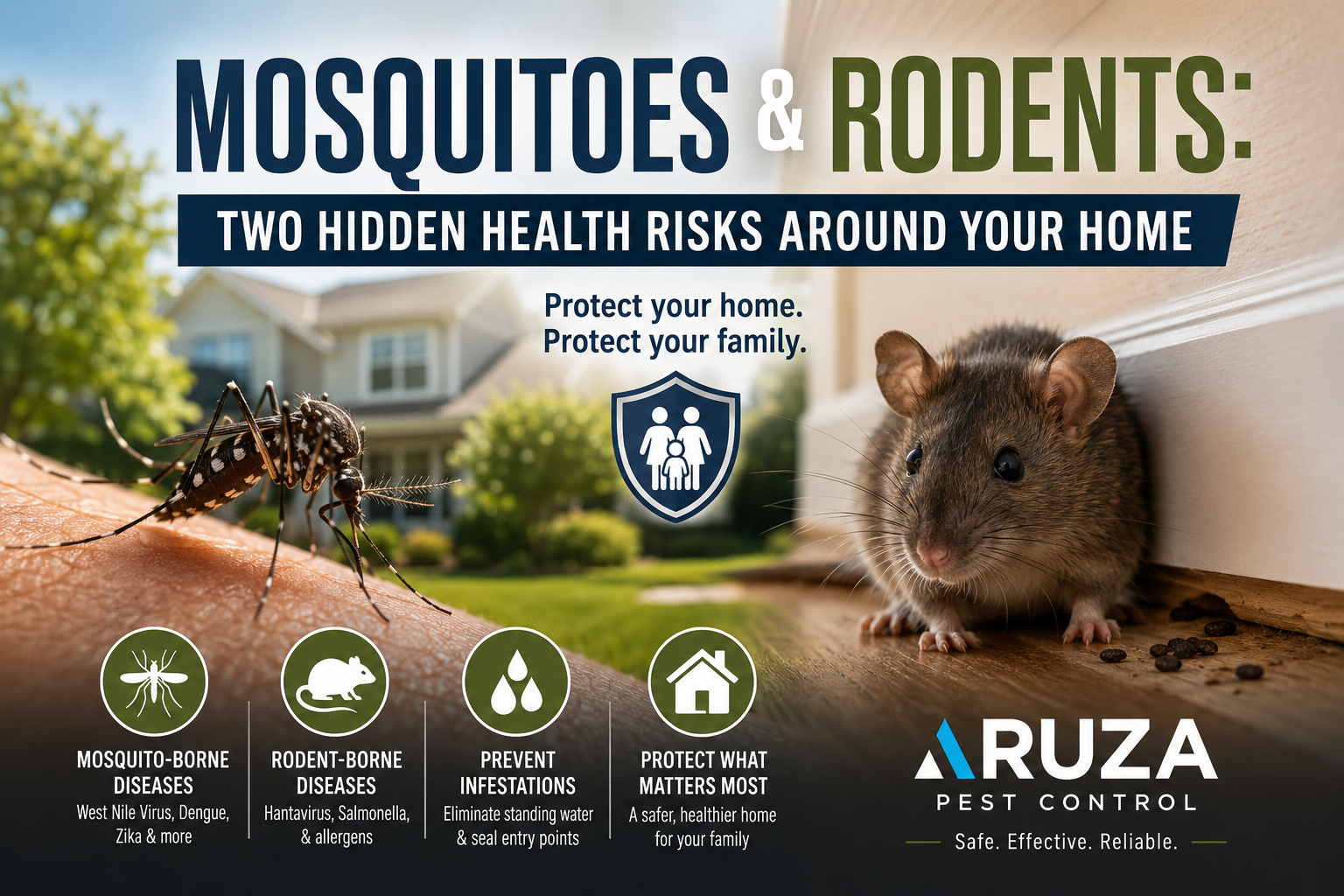
Are mosquitoes a health risk?
Yes. Mosquitoes can transmit diseases such as West Nile virus and other pathogens.
Can mosquitoes breed in small amounts of water?
Yes. Mosquitoes can breed in bottle caps, gutters, planters, and other small water sources.
How do I get rid of mosquitoes?
Eliminate standing water, maintain your yard, use repellents and fans outdoors, install or repair window and door screens, and consider professional yard treatments for heavy infestations.
How do mosquitoes find their prey?
They track carbon dioxide from our breath, body heat, movement, and certain skin odors to locate people and animals to bite.
How do mosquitoes transmit diseases?
Mosquitoes, especially the females as they are the only ones that feed, are much more than just annoying. When these bloodthirsty ladies feed, they can pick up diseases from an infected host, and voila! The next unsuspecting victim they bite becomes the new recipient of the illness.
What are the best ways to prevent mosquito bites?
Wear long sleeves and pants, use EPA registered repellents, avoid being outside at dawn and dusk when possible, and use fans, screens, or nets to create physical barriers between you and mosquitoes.
What are the signs of a mosquito bite?
Most bites cause a small, raised, itchy bump. Some people may experience swelling, blistering, or more intense reactions; any concerning symptoms after bites should be checked by a healthcare provider.
What diseases can mosquitoes transmit?
Depending on the region, mosquitoes can spread illnesses like West Nile virus, Zika, dengue, malaria, chikungunya, and others.
Characteristics
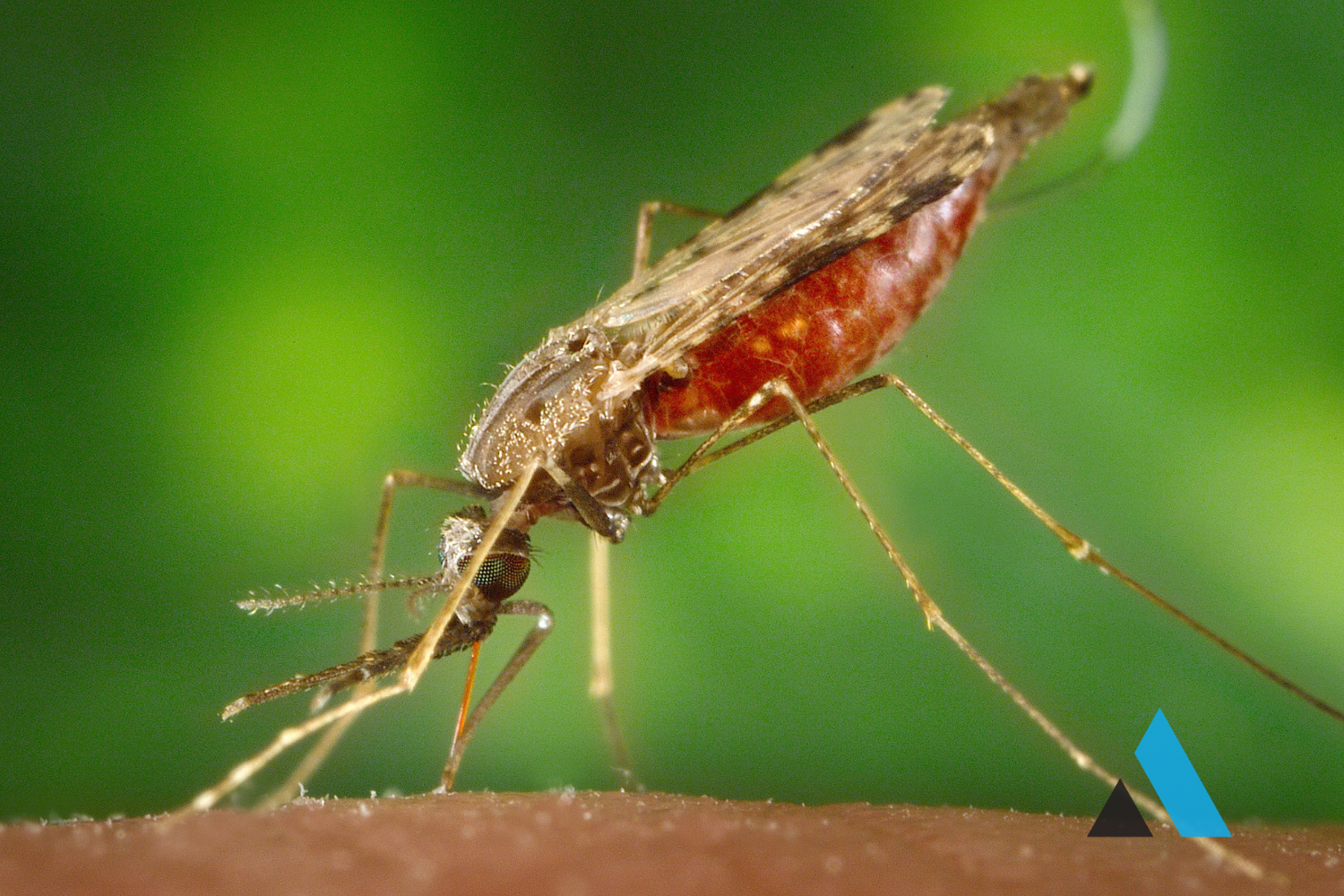
Mosquitoes are small flying-insects that you can find just about anywhere except Antarctica. With a petite size of around 1/4-inches long, these critters are equipped with slender legs and antennae that give them their distinctive appearance. In most cases, mosquitoes will be brown or black with a few species sporting speckles across their legs and abdomen. Mosquitoes are drawn to animals, capable of sensing heat and the carbon dioxide that we exhale. This helps them zero in on potential targets for their next meal.
Biology
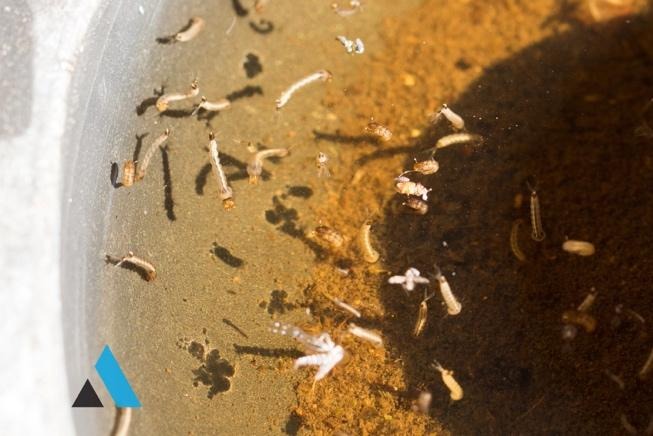
Mosquitoes are parasites, they rely on the blood of animals, and unfortunately, humans, for their meals. This makes them less than popular at summer barbecues and backyard sports outings.Interestingly though, females are the only gender that will feed as males exist purely for breeding purposes. Female mosquitoes lay their eggs in standing water or damp soil.
The resulting larvae then morph through a series of stages until they grow into full-fledged adult mosquitoes.When feeding, female mosquitoes inject a hypodermic-needle like proboscis into the victim which emits a saliva that contains an anesthetic and anticoagulant allowing the mosquito to feed uninterrupted. Using this blood, the mosquito will go on to lay up to 100 eggs in her nesting area of choice.
Habitat
Mosquitoes can be found in a plethora of habitats. These include forests, wetlands, and surprisingly, even our cozy homes. They have a soft spot for warm and humid environments, which makes places like North Carolina a paradise for these critters. Mosquitoes can travel at upwards of 1.5mph and they’ve been known to travel very long distances.
Human Interaction
Mosquitoes are not just a buzzing nuisance but can also pose significant health risks. They’re known to transmit over 100 diseases, some of which are serious like malaria, dengue fever, and yellow fever. On top of that, they’re not the most considerate house guests, laying eggs in water containers and causing damage to property.
Pest Control
If you can’t seem to enjoy your summer in peace, it’s time to call the professionals. A pest control company with expertise in mosquito control can help you regain your peace quickly and effectively. In many cases, investing in a top-notch mosquito treatment is the best way to eliminate a mosquito problem. Here are some bonus tips on how to keep mosquitoes at bay:
- Regularly drain water from birdbaths and other containers.
- Turn off outdoor lights at night to avoid attracting them.
Our Core Values
At Aruza, our core values are more than just words—they are our blueprint. They guide how we lead, how we serve, and how we grow. They help us build a company where people take pride in what they do, support one another like family, and never settle for average.
Our values shape every experience for our customers, our teammates, and our communities. They are how we build and protect culture, hold ourselves accountable, and become better every day together.