Wasp Control Services: Fast, reliable help with wasp nest removal.
Professional Wasp Control and Prevention
Wasps ruin BBQs, pool parties, sport events, car shows – heck, wasps ruin fun! Take back the fun today with our nest-focused wasp extermination approach.
How to Safely Remove Wasp Nests & Prevent Wasp Problems
Wasps are professionals at nesting up in the most inconvenient of spots. Rest assured, Aruza will take out the problem at the source and chase wasps away ASAP!:
-
Species Identification:
We determine if the insect is a wasp or honeybee. -
Determine Access:
Service professional determines if and how we can reach the wasp’s nest.
-
Suit Up!
We will then prepare for treatment by donning protective gear. -
Treat & Educate:
We will eliminate the nest and educate the you on future prevention methods.
Learn more about our Wasp Control Service
We have gathered everything you need to know about our Wasp Control Service, pest facts, most frequently asked questions, and tips on how you can stop or prevent future wasp infestations from happening.
How do I identify a wasp?
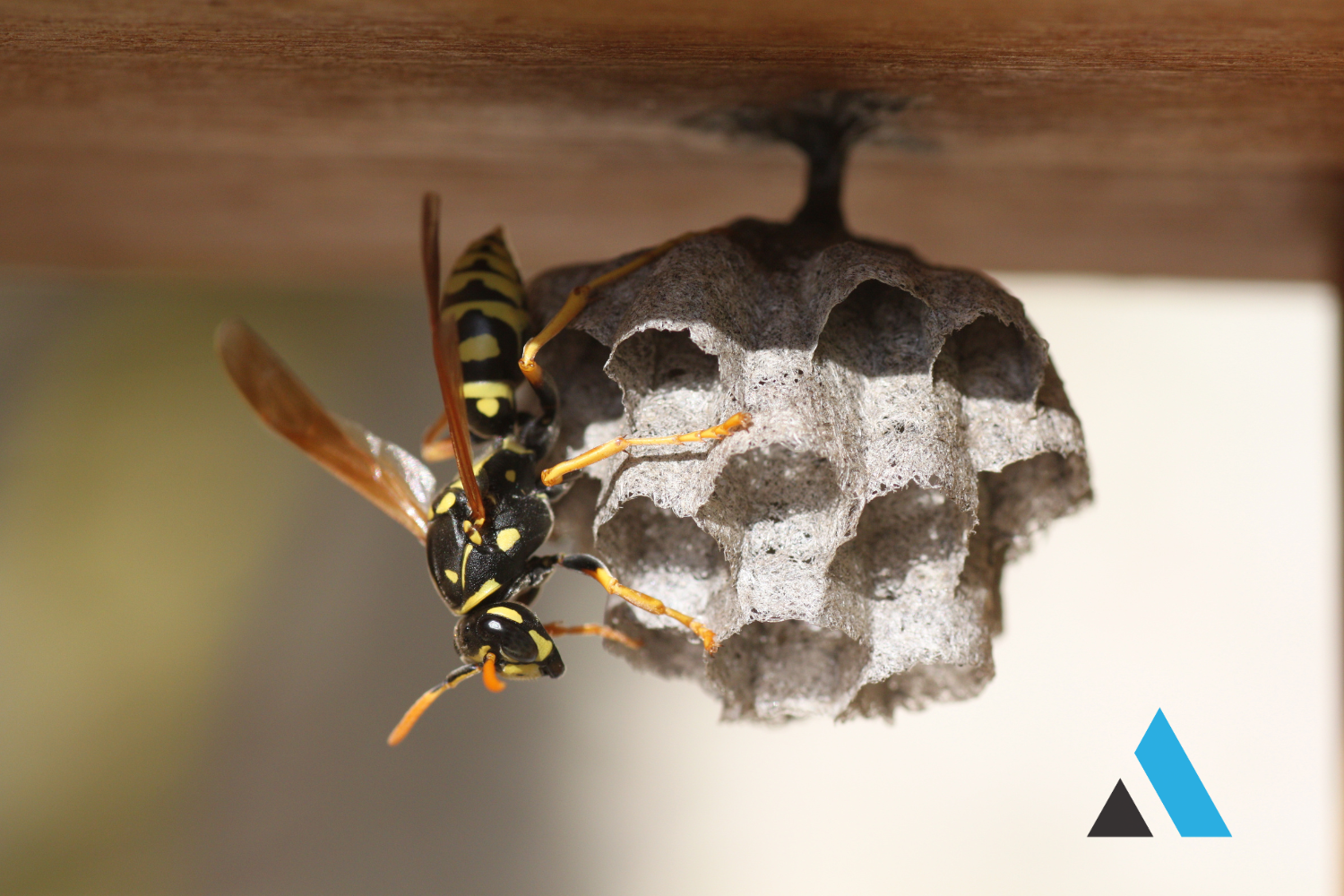
Wasps, close relatives to bees, are an insect family with tens of thousands of known species dotting the globe. They play an essential role in the ecosystem as predators, feasting on insects and other small animals. Wasps tend to find themselves in social colonies, creating nests in the ground as well as in trees or along walls and in the eaves.
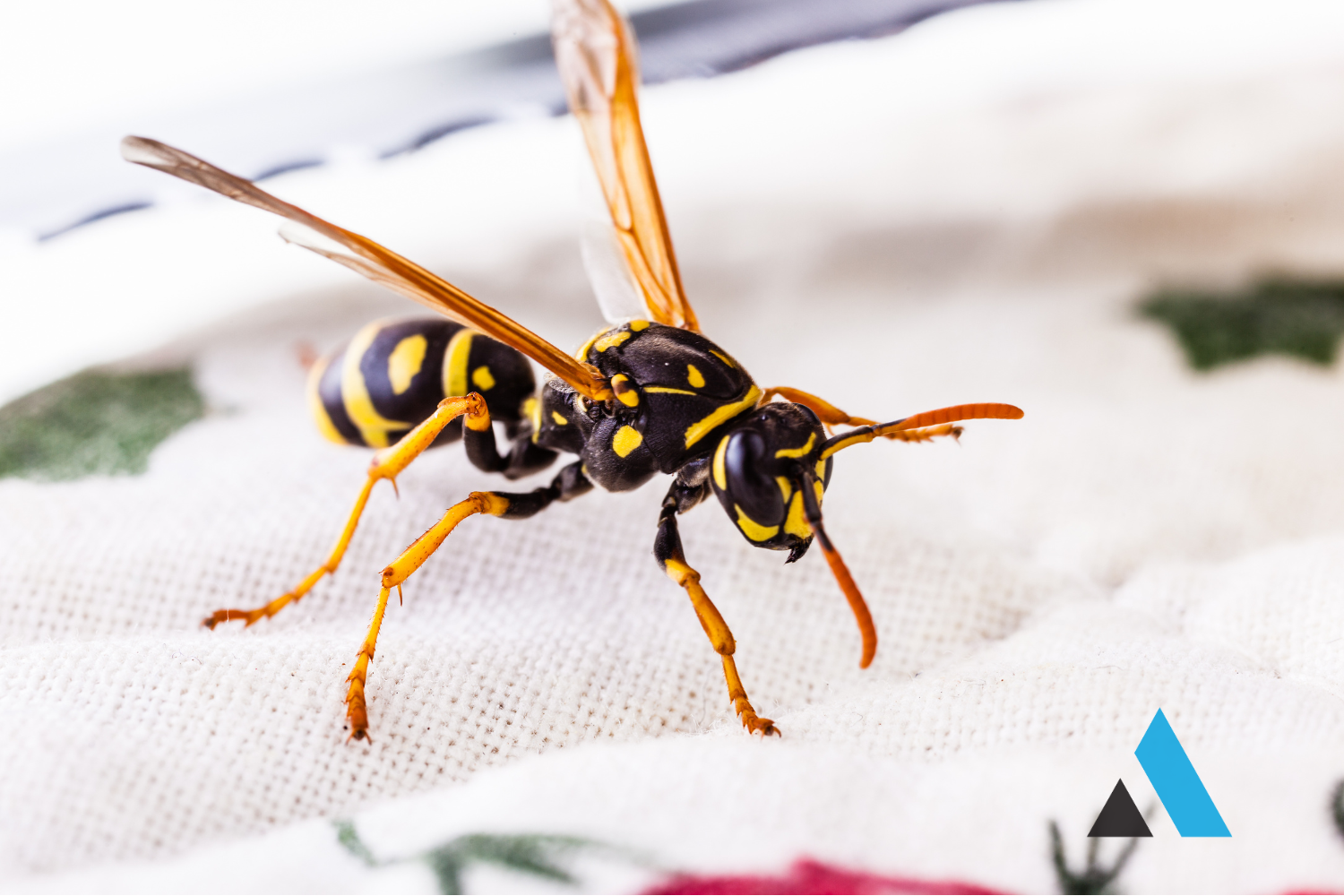
Wasps tend to be brightly colored, which is nature’s way of saying “watch out, I’m a deadly lil thing.” And rightfully so, many species of wasps can pack an incredibly painful sting that will quickly ward off predators or you and I.
Why Do We Need to Worry About Wasps?
While wasps are often seen as a nuisance due to their stinging habit, the threat they pose can range from discomforting to dangerous. Species like the Yellowjackets can become quite aggressive when threatened, resulting in multiple stings, which is particularly concerning for individuals with allergies.
In fact, there are some wasps that will release a pheromone that encourage other wasps to sting a target. This can potentially be a very fatal outcome and is why we take the treatment of wasps very seriously.
How To Get Rid of Wasps?
While the sight of a wasp may trigger our fight or flight instinct, there are some steps we can take to handle the situation effectively:
- Identify the Wasp: Identification is the first step towards effective wasp control. Different species require different removal strategies. Identification also helps you to know the level of aggression to expect when removing a nest.
- Seal your Home: Wasps can gain access to your house through small crevices. It’s essential to seal these entry points with caulk or weatherstripping to prevent an infestation. Certain species of wasps will very quickly set up a nest in-between walls and baseboards as this is a perfect environment for them.
- It’s not their BBQ: Removing potential food sources from your house is a sure way to make it less attractive to wasps. Ensure that pet food, crumbs, and trash are properly secured or disposed of. All it takes is one wasp to alert the colony that a food source has been located nearby and you could have a bunch more coming to check things out.
- Trap Tactics: Deploying traps can be a useful method for catching wasps. Ensure you’re using the right traps for the specific type of wasp you’re dealing with.
- Call in the Experts: If the wasp problem in your home feels like an uphill battle, don’t hesitate to call a professional exterminator. They have the tools and training to safely remove these pests. In all honesty, it’s much safer for you and your family to let us deal with the wasp infestation as things can become very unpredictable, very quickly when dealing with these insects.
Wasp Control FAQ's
Are wasps beneficial?
While they help control other insects, nesting near homes poses safety risks.
Is it safe to remove a wasp nest myself?
DIY removal is risky and can lead to stings. Professional removal is strongly recommended.
Where do wasps typically build nests?
Common locations include eaves, attics, sheds, trees, and wall voids.
Why are wasps aggressive near homes?
Wasps defend their nests and become more aggressive when nests are disturbed.
How can I get rid of wasps?
Do not disturb active nests without proper protection. In many cases, the safest option is to hire a professional to remove nests and apply targeted treatments around key areas.
What do wasps eat?
Wasps often prey on other insects and may also feed on nectar, sugary drinks, or protein‚Äërich foods, which is why they show up at outdoor gatherings.
How do wasps build their nests?
Many species chew wood fibers mixed with saliva to create papery combs; others use mud or burrow into the ground. Over time, they expand the nest as the colony grows.
What are the different types of wasps?
Common examples include paper wasps that make exposed combs, yellowjackets that nest in the ground or structures, and larger hornets that can be especially defensive.
Are wasps dangerous?
Wasps can sting repeatedly and may respond aggressively if their nest is threatened. Stings are painful and can trigger serious allergic reactions in some people.

Year-Round Pest Protection Backed by Aruza 360°
Protect your home and family from common pests with Aruza’s proven 5-step pest control process. Our expert technicians tailor each treatment to your home and the season. Here’s what You Can Expect with Every Pest Control Service:
- Aruza 360 will protect you from this pest and more.
- Service Technician Will Circle Your Home at Least 4 Times
- 30-Minute Minimum Service: Detailed holistic visits.
- 4 Treatments Per Year: Seasonal strategies tailored to your home.
- Clear Communication: Education, timelines, and updates at every step.
Our Core Values
At Aruza, our core values are more than just words—they are our blueprint. They guide how we lead, how we serve, and how we grow. They help us build a company where people take pride in what they do, support one another like family, and never settle for average.
Our values shape every experience for our customers, our teammates, and our communities. They are how we build and protect culture, hold ourselves accountable, and become better every day together.