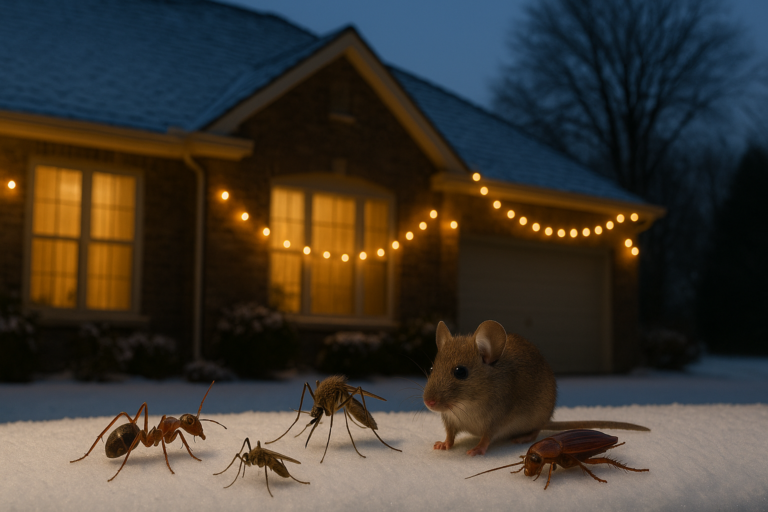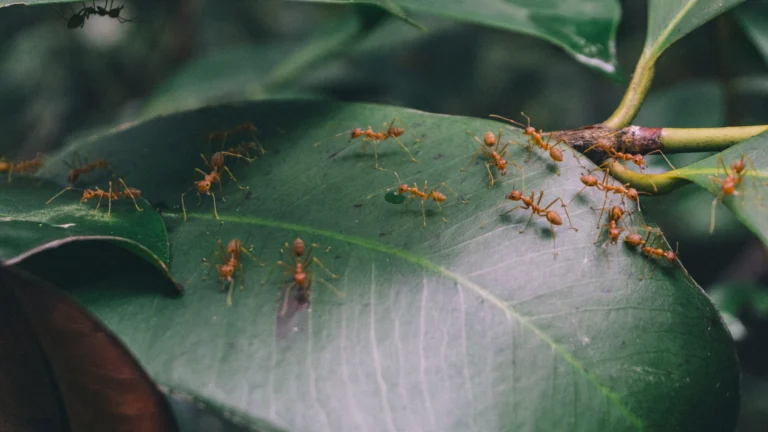
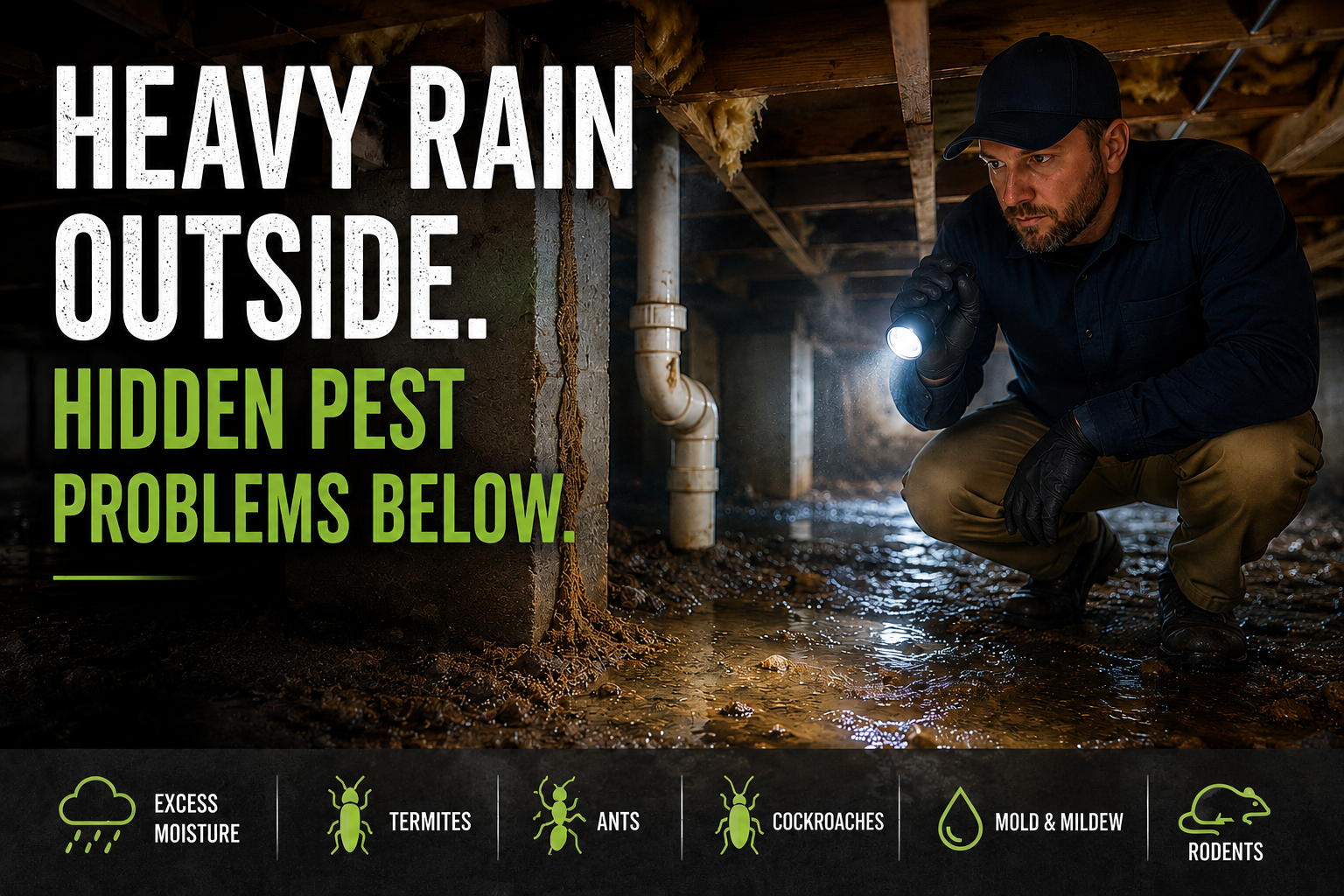
If you see more bugs after rain, here is what is happening: heavy rainfall floods the soil and outdoor hiding places where pests live, forcing termites, ants, roaches, and other insects to seek higher, drier shelter. The closest dry shelter is usually your home. The rain is not creating new pests; it is relocating the ones already around your property, and the fix is managing moisture and sealing the routes they use to get in.
After weeks of heavy summer rain, most homeowners focus on flooded yards and soggy lawns. The bigger story is often what is happening beneath and around the house. This guide covers why pest activity spikes after storms, which pests to expect, the warning signs worth checking, and how to protect your home before the next front moves through.
Why Are There More Bugs After Rain?
When the ground becomes saturated, pests are forced to adapt. Some lose their nesting areas as soil becomes waterlogged. Others actively seek dry shelter and find it inside homes, garages, crawl spaces, and wall voids. Heavy rainfall also raises humidity, which many insects need to survive and reproduce. Common changes homeowners notice after extended rain:
- More insects indoors
- Increased ant trails in kitchens and bathrooms
- Cockroach sightings in garages and near drains
- Spider webs multiplying around entry points
- Mosquito activity around standing water
- Damp or musty odors beneath the home
Which Pests Come Out After Rain?
Do termites swarm after rain?
Yes, and rain helps them in two ways. Subterranean termites need moisture to survive, so softened soil and elevated humidity make it easier for colonies to expand their foraging tunnels, and warm days following rain are the classic trigger for termite swarms. Watch for mud tubes on foundations, swarming insects, discarded wings on windowsills, soft or damaged wood, and bubbling paint.
Why are there ants in my house after it rains?
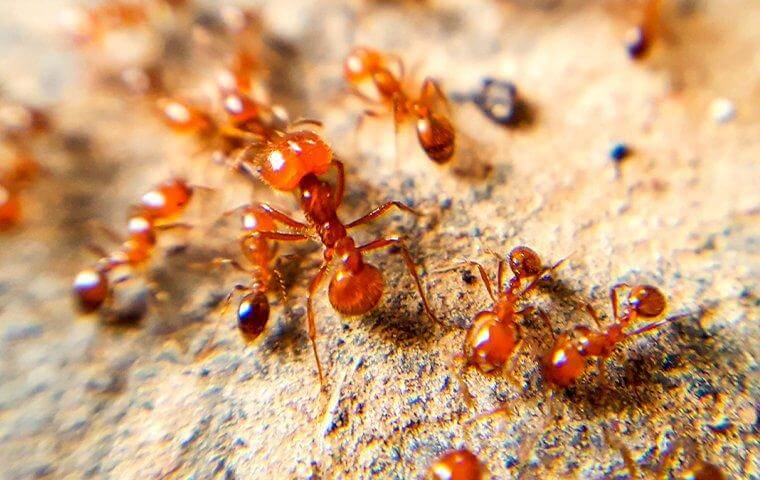
Many ant species relocate their entire colonies when rain floods their nests. Instead of rebuilding outdoors, they move into wall voids, kitchens, bathrooms, and garages where conditions stay dry, which is why ant trails often appear indoors within a day or two of a major storm.
Do cockroaches come out after rain?
They do. Roaches thrive in humid environments, and when outdoor harborages and sewer lines flood, they migrate indoors through drains, garages, utility penetrations, and foundation gaps. In the Southeast this includes the large American cockroaches most people call palmetto bugs.
Why do spiders show up after storms?
Rain does not increase spider populations directly, but it drives their prey indoors, and spiders follow the food. More webs around doors, windows, and garage corners after a wet stretch usually means more insect traffic through those same openings.
Silverfish, earwigs, and the moisture crowd
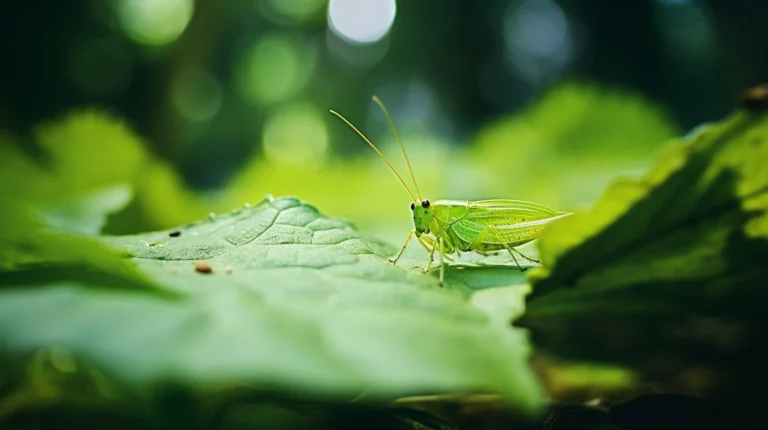
Silverfish, earwigs, camel crickets, and millipedes all prefer damp environments. Finding them indoors is less an infestation problem and more a moisture warning: they are telling you that somewhere around the home, conditions are more wet than they should be.
Why Crawlspaces Become Pest Magnets After Rain
If your home has a crawlspace, it is one of the first places pests look for shelter. Crawlspaces naturally offer darkness, stable temperatures, elevated humidity, wooden structural components, plumbing penetrations, and very little human traffic. After heavy rain, all those conditions intensify, and a persistently damp crawlspace can host termites, roaches, ant colonies, silverfish, earwigs, crickets, millipedes, spiders, and rodents long before anything shows up inside the living space. This is exactly the problem crawl space encapsulation and moisture control are built to solve by sealing the space and managing its humidity removes the environment those pests depend on.
Slab Foundations Are Not Immune
Homes on slab foundations face many of the same pressures. After heavy rain, moisture collects around expansion joints, foundation cracks, utility penetrations, door thresholds, garage slabs, weep holes, and landscaping beside the house. As insects search for dry shelter, those small openings become entry points; even hairline cracks admit ants, roaches, spiders, and termites.
Warning Signs to Check After Heavy Rain
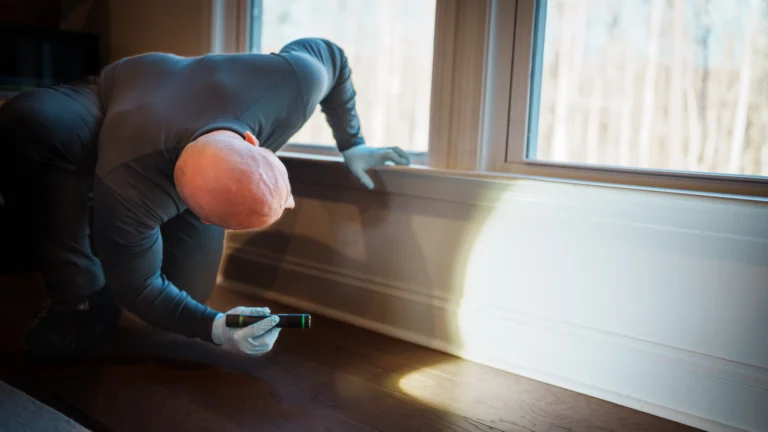
Following a wet stretch, walk around your home and look for musty odors, visible moisture beneath the house, standing water near the foundation, mud tubes, increased insect activity, soft wood, water stains, condensation on pipes, mold or mildew, rodent droppings, and new foundation cracks. Any single one of these can indicate moisture conditions that lead to bigger pest problems if left alone.
Six Ways to Protect Your Home Before the Next Storm
1. Improve drainage. Make sure gutters and downspouts move water well away from the foundation.
2. Eliminate standing water. Empty containers, birdbaths, and clogged gutters. This is also the single best mosquito control step available, since mosquitoes breed in as little as a bottle cap of water.
3. Trim landscaping. Keep shrubs, mulch, and vegetation away from siding and foundation walls to improve airflow and reduce moisture retention.
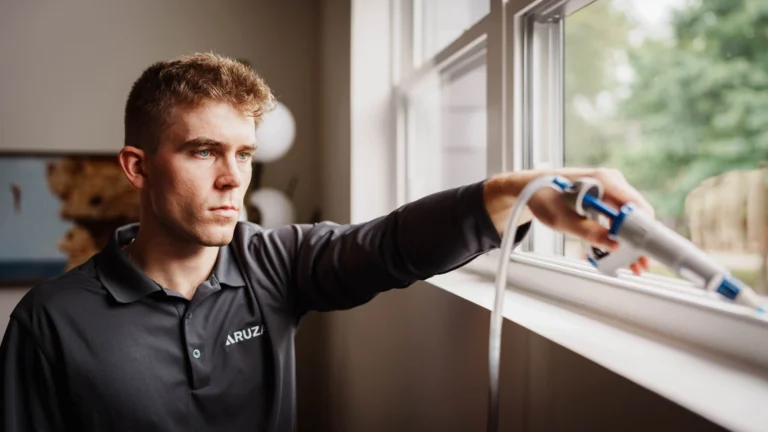
4. Seal entry points. Inspect around utility penetrations, windows, doors, and foundation gaps.
5. Monitor crawlspace humidity. Check periodically for moisture buildup, condensation, or plumbing leaks.
6. Get eyes on it professionally. A trained inspection catches moisture-driven pest activity while it is still cheap to fix.
What Home Health Inspection Covers
Pest control is about more than treating insects; it is about identifying the conditions that attract them. During a professional Home Health Inspection, technicians evaluate conditions conducive to termite activity, moisture concerns, pest entry points, foundation vulnerabilities, landscape conditions, and rodent access points. After a season of heavy rain, this is the checkup that finds the problems the storms created while they are still small. Schedule your complimentary Home Health Inspection and get a moisture and pest evaluation built for your home’s construction.
Frequently Asked Questions
Does heavy rain cause more bugs inside my house?
Rain does not create more insects, but it forces existing pests out of flooded soil and harborages and toward dry shelter, and the nearest dry shelter is usually a house.
How long do bugs stay active after rain?
Expect elevated indoor pest pressure for one to two weeks after a major storm as displaced insects settle into new harborage. If activity persists beyond that, they have likely established indoors, and the problem deserves an inspection.
Can heavy rain increase termite activity?
Yes. Moist soil and elevated humidity create favorable conditions for subterranean termites to expand their foraging, and warm days after rain commonly trigger swarms.
Should I worry if my crawlspace smells musty?
A persistent musty odor usually indicates excess moisture, which attracts pests and contributes to mold and wood deterioration. It is worth a professional look.
Do homes built on slabs still have moisture-related pest problems?
Absolutely. Slab homes see pest entry through foundation cracks, expansion joints, plumbing penetrations, and other small openings that rain drives insects toward.
How often should I have my home inspected?
Annually for most homes, with an additional evaluation after severe storms or extended periods of heavy rain.