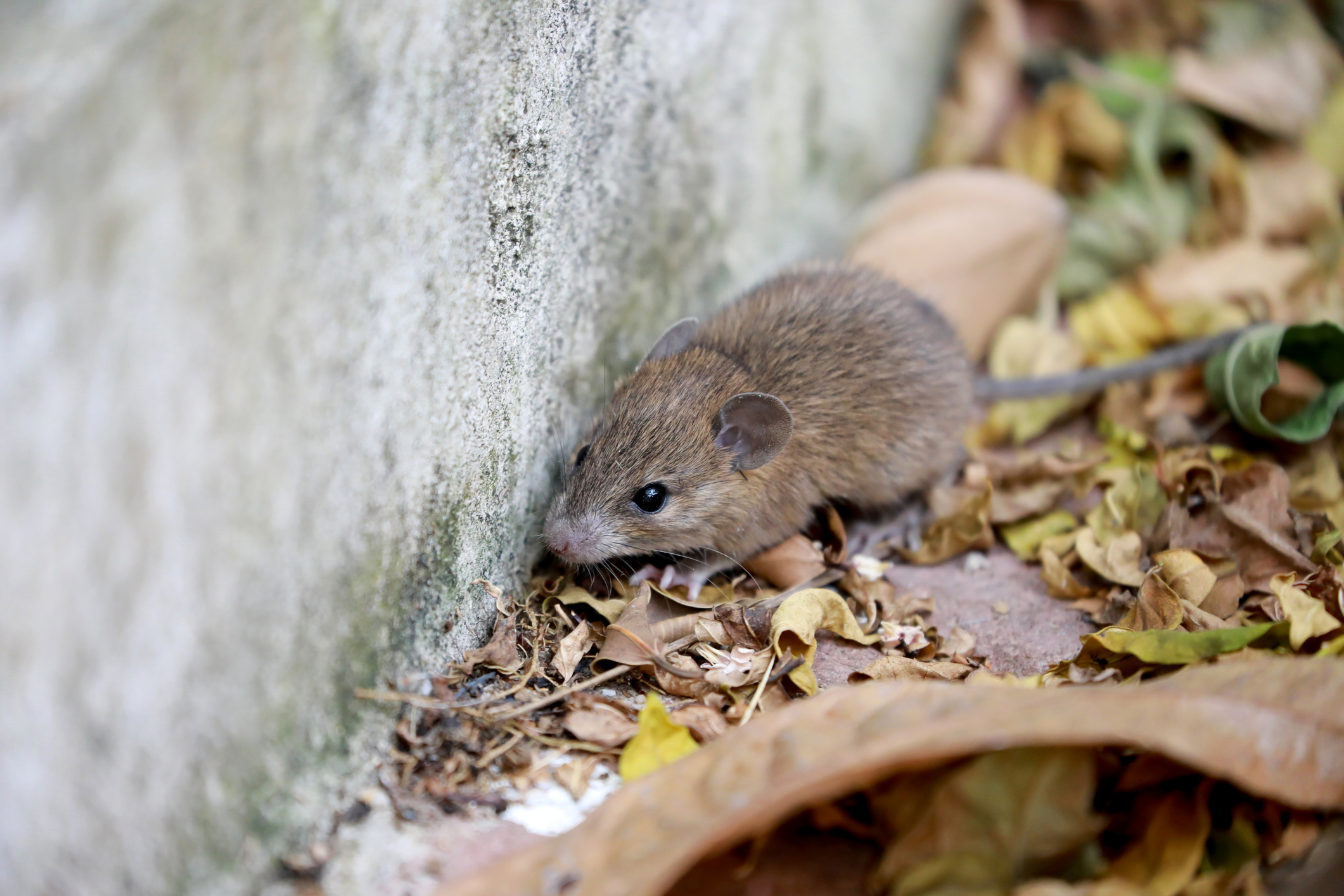
When the first cold nights arrive, mice start looking for a warm place to spend the winter, and your home is an easy target. A house mouse can slip through a gap about the size of a dime, and once a few get inside, they can multiply quickly.
Getting rid of mice comes down to two combined jobs done together. Remove the mice already inside, and seal the gaps they used to get in. Traps alone rarely solve the problem, because new mice keep arriving through the same openings. Sealing alone traps the current mice inside with you. Here is how to do both, plus how to tell when it is time to call a professional.
Why Mice Move Indoors in the Fall
Mice do not hibernate. As nights cool and outdoor food becomes harder to find, they look for three things: warmth, steady food, and a protected place to nest. A home offers all three. Wall voids, attics, and crawl spaces stay warmer than the outdoors, kitchens and pantries provide food, and insulation, cardboard, and stored fabric make ideal nesting material.
That is why searches for help with mice surge in October and continue through January. The mice were living in your yard all summer. The cold simply gives them a reason to come inside.
Signs You Have Mice in Your House
Mice are most active at night, so most homeowners notice the evidence before they see a mouse. Common signs include:
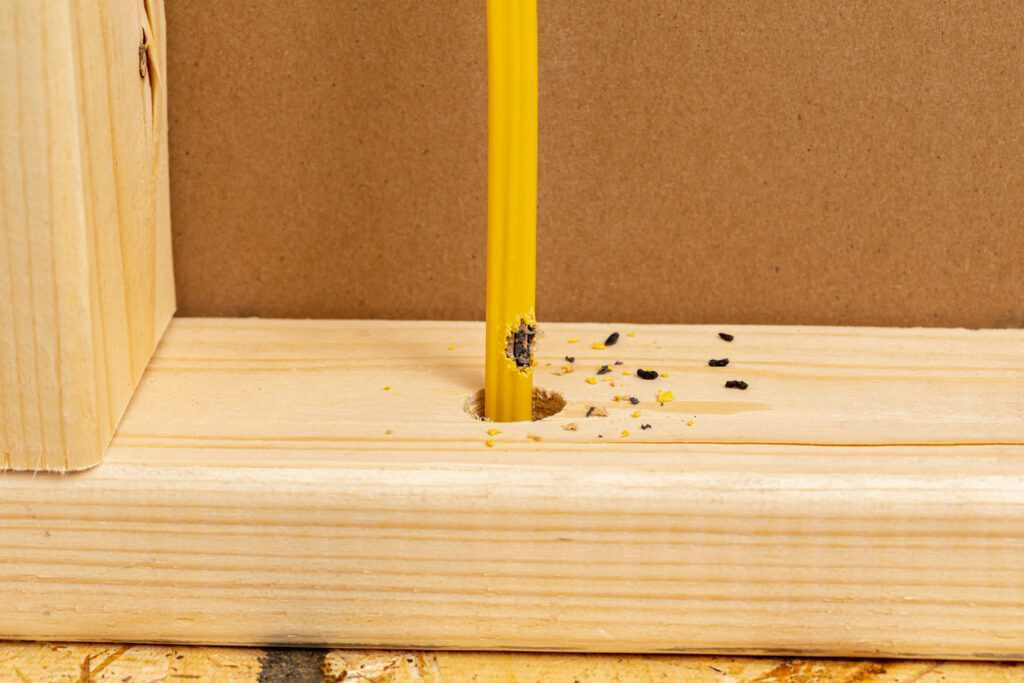
- Droppings. Small, dark, rod-shaped pellets about 1/8 to 1/4 inch long, usually along walls, in cabinets, under sinks, or behind appliances as shown in the image below.
- Gnaw marks. Chewed food packaging, cardboard, baseboards, or wiring.
- Scratching at night. Light scurrying in walls, ceilings, or attics after dark.
- Nests. Small piles of shredded paper, fabric, or insulation tucked into quiet corners, drawers, or storage boxes.
- Rub marks and odor. Greasy smudges along walls and a musty smell in enclosed spaces.
- Pets on alert. Cats and dogs often fixate on a wall, appliance, or cabinet before you notice anything.
If you see one mouse, assume there are more. Mice live in small groups, and a female can have a new litter about every three weeks. Not sure whether you are dealing with mice or rats? Our guide to rodent cohabitation explains the differences, and our mouse identification page covers what to look for.
How Do Mice Get in Your House?
Mice can squeeze through any opening they can fit their head through, roughly 1/4 inch. They are also good climbers and can scale rough exterior walls, brick, and siding to reach gaps well above the ground. The most common entry points we find on homes include:
- Gaps where pipes, cables, and air conditioning lines enter the house
- Garage doors with worn bottom seals or gaps at the corners
- Crawl space vents, doors, and foundation cracks
- Cracks under exterior doors without a tight door sweep
- Dryer vents, attic vents, soffits, and gable vents with damaged screens
- Crevices around windows, siding, and rooflines
Many homes sit over crawl spaces, which give mice a sheltered route from the yard to the floor joists and walls. Garages and utility penetrations are the most common way in. Mild winters there mean mice may stay active year-round, but cool snaps still push them indoors.
How to Get Rid of Mice Already Inside
Use snap traps, and use plenty of them
Snap traps are the most reliable do-it-yourself option. They work quickly, and you know when a mouse has been caught.
Five tips that make a big difference:
- Set more traps than you think you need. Place them every few feet along walls where you have seen droppings, since mice travel along edges instead of crossing open floors.
- Place traps against the wall, with the trigger end facing it, so a mouse running along the wall walks right into it.
- Use a small amount of bait. A dab of peanut butter about the size of a pea works better than a large glob, because the mouse has to work at it and set off the trap.
- Focus on hidden spots. Behind the refrigerator and stove, under sinks, inside cabinets, and in the garage, attic, and crawl space.
- Check traps daily. Wear gloves when handling traps, and reset them until several days pass with no catches.
Skip glue traps and indoor poison
Glue traps are inhumane, can catch pets and wildlife, and often leave a live, struggling mouse for you to deal with. Poison bait is risky inside the home. Mice that eat it can die inside walls or ceilings, leaving an odor that lasts for weeks, and bait can endanger children and pets. When rodent bait is the right tool, it belongs in locked, tamper-resistant bait stations, placed by someone who knows where it is safe to use.
Do not count on repellents
Peppermint oil, dryer sheets, mothballs, and plug-in ultrasonic devices are popular, but none has been shown to keep mice away for long. Mice quickly get used to smells and sounds when food and warmth are nearby. Your time and money are better spent on traps and sealing.
Check the places mice hide
Mice prefer dark, quiet spaces within about 10 to 30 feet of a food source. Look behind and under the refrigerator, stove, and dishwasher, inside lower cabinets and the pantry, around the water heater and furnace, in the garage, and in attic and crawl space insulation. Mice often tunnel and nest in insulation, so damaged or matted insulation can be a sign of a long-term problem. Where you find droppings, set traps.
Clean up safely
Mouse droppings and urine can carry bacteria and viruses, so never sweep or vacuum them dry, which can stir particles into the air. Wear gloves, spray droppings and nesting material with a disinfectant or a mix of one part bleach to ten parts water, let it soak for about five minutes, then wipe it up with paper towels and throw everything away in a sealed bag.
How to Keep Mice Out of Your House
Sealing entry points is what keeps the problem from coming back. The best time to do it is fall, before the coldest weather sets in.
- Use the right materials. Steel wool alone can be pulled loose or pushed aside, so pack it tightly and seal over it with caulk or expanding foam. For larger gaps, use copper mesh, 1/4-inch hardware cloth, or sheet metal, which mice cannot chew through.
- Seal around pipes and utility lines. Check under sinks, behind the washer and dryer, and where lines enter from outside.
- Install door sweeps and garage door seals. Replace worn weatherstripping and check the corners of garage doors, a common gap mice slip through.
- Cover vents with sturdy screening. Make sure dryer, attic, and crawl space vents are screened and in good repair.
- Protect brick weep holes the right way. Brick homes have small openings near the foundation that let moisture out, so they should never be filled solid. Use weep hole covers made for the purpose.
- Remove food and shelter. Store pantry food, pet food, and birdseed in sealed containers, keep garbage cans lidded, stack firewood away from the house, and trim shrubs back from the foundation.
One more tip: seal and trap at the same time. Once the gaps are closed, any mice still inside cannot leave, so keep traps set until the activity stops.
When to Call a Professional
Do-it-yourself methods can handle one or two mice. It is time to call a professional if:
- You keep catching mice after a week or two of trapping
- You hear activity in walls, ceilings, or the attic
- You find droppings in several rooms or levels of the house
- You cannot find or reach the places they are getting in
- You see signs of rats instead of mice
A professional inspection finds the entry points homeowners usually miss, especially on rooflines, in crawl spaces, and around utility penetrations. Aruza’s rodent control service removes the mice already inside, and our rodent exclusion service seals the gaps with materials built to last, so the problem does not return next winter.
Frequently Asked Questions About Mice
How do I get rid of mice fast?
The fastest approach is to set many snap traps along walls where you have seen activity while sealing the gaps mice are using to get in. Keep traps set until several days pass with no catches.
How long does it take to get rid of mice?
A small problem caught early often clears up within one to two weeks of steady trapping and sealing. A larger infestation, or mice that keep returning, usually means entry points are still open somewhere, and a professional inspection is the fastest way to find them.
If I see one mouse, are there more?
Usually, yes. Mice live in small groups and reproduce quickly, so one sighting often means several mice are nesting nearby.
Can mice climb walls?
Yes. Mice can climb rough surfaces like brick, siding, and wood, and can reach gaps around rooflines and vents well above the ground.
Do mice leave on their own in spring?
Not reliably. House mice can live indoors year-round as long as they have food, water, and shelter, so an indoor problem rarely goes away by itself.
What smell keeps mice away?
No smell has been shown to keep mice away for long. Peppermint oil, dryer sheets, and similar repellents may have a brief effect at best. Sealing entry points works far better.
Are mice dangerous?
Mice can contaminate food and surfaces with droppings and urine, which can carry bacteria and viruses, and they can chew wiring inside walls. Removing them promptly and cleaning up safely protects your home and family.
Keep Mice Out This Winter
Mice move indoors every fall, but they only stay when they find a way in. Trap the mice already inside, seal the gaps they use, and keep food sealed away. If you would rather hand it off, Aruza can find where mice are getting in and close those gaps for good. Schedule a free Home Health Inspection to get started.