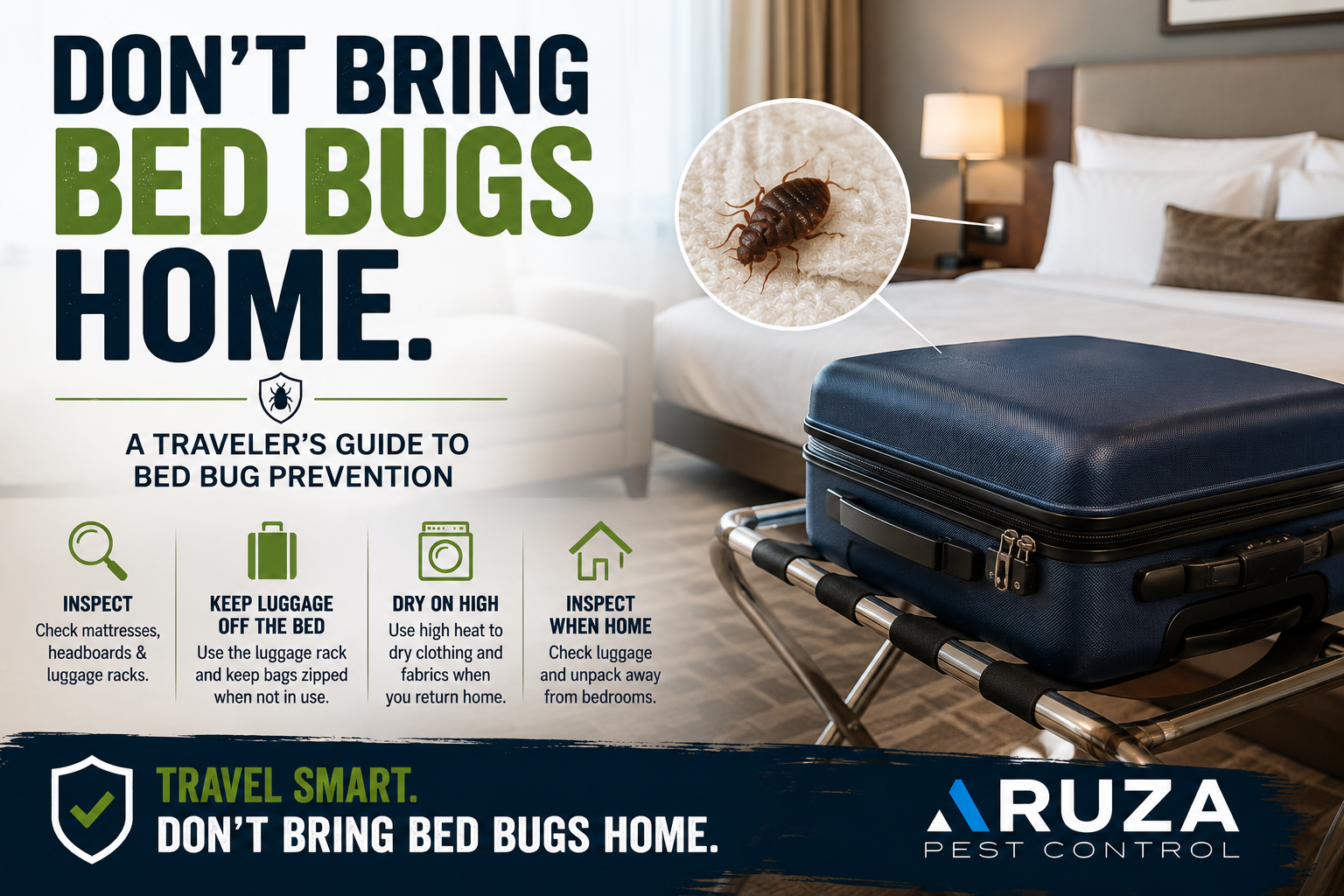
Hotels. Vacation rentals. Business trips. Weekend getaways. Cruises. College visits.
Travel takes us to plenty of new places. Unfortunately, it can also give bed bugs an opportunity to travel with us.
Unlike ants, cockroaches or rodents, bed bugs do not have to find a gap around your foundation or an opening under a door to get into your home.
They hitchhike.
Bed bugs can travel in luggage, clothing, backpacks, bedding and other belongings. That means a hotel stay, vacation rental or overnight trip can provide an opportunity for an unwanted passenger to make the trip home with you.
The good news? A few simple precautions before, during and after your trip can help reduce your chances of bringing bed bugs home.
Why Are Bed Bugs Associated with Travel?
Bed bugs are excellent hitchhikers.
They do not fly or jump. Instead, they can move from one location to another by hiding in the seams, folds and small spaces of luggage, clothing, bags and other belongings.
That is one reason travel can play such an important role in moving bed bugs from place to place.
A hotel or vacation rental does not have to be dirty to have a bed bug problem, either. Bed bugs are attracted to people, not poor housekeeping.
The important thing for travelers is not trying to determine whether a property looks clean. It is knowing what to look for.
How Do You Check a Hotel Room for Bed Bugs?
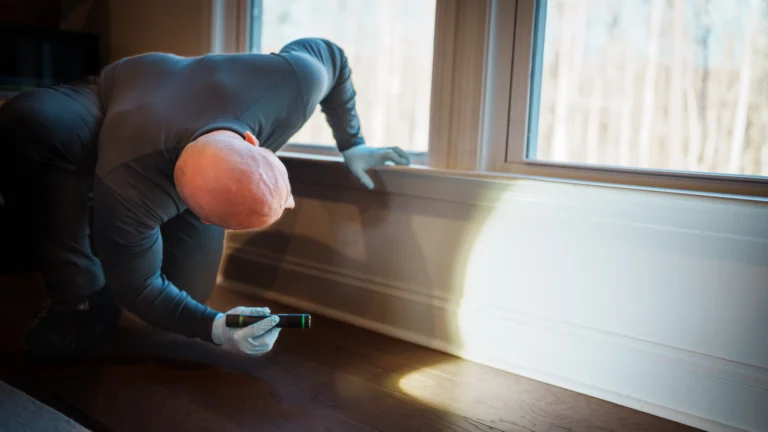
To check a hotel room for bed bugs, inspect the sleeping area before you unpack, focusing on the mattress, headboard and luggage rack. You do not need to dismantle the room. Focus on the areas closest to where people sleep.
Start with these spots:
- Mattress seams and piping
- The area around the headboard
- Bed frames when accessible
- Upholstered furniture near the bed
- The luggage rack, particularly seams and joints
Look for live insects as well as other potential signs of activity. Bed bugs are generally reddish-brown, flat and oval-shaped. Adults are often compared in size to an apple seed.
- Small dark spotting
- Reddish or rusty stains on bedding
- Shed skins
- Eggs or eggshells
- Live bed bugs
A small flashlight can make inspecting seams and darker areas easier.
ARUZA TRAVEL TIP
Inspect before you unpack. Leave your luggage closed and away from the bed while you perform a quick inspection of the sleeping area.
Where Should You Put Your Suitcase in a Hotel Room?
The bed may be the most convenient place to open your suitcase. It is also one of the places you should avoid.
Instead, use the room’s luggage rack after inspecting it.
Keep luggage away from the bed whenever possible and avoid leaving suitcases, backpacks and clothing scattered across the floor.
These simple habits reduce the amount of contact your belongings have with the areas where bed bugs are most likely to be found.
Can Bed Bugs Get into Your Luggage?
Yes.
The seams, folds, pockets and zippers of luggage can provide hiding places for bed bugs.
That does not mean every suitcase that enters a hotel room is going to come home with bed bugs. But it does mean luggage deserves attention when you are trying to prevent them.
Keep bags zipped when you are not using them. Avoid placing luggage on beds or upholstered furniture and inspect your suitcase before bringing it back into your normal storage area at home.
Can Bed Bugs Travel on Your Clothes?
Bed bugs can hitchhike on clothing and other personal belongings.
They are more likely to hide in or on items that remain stationary than to stay on a person who is moving around, but clothing in luggage, on furniture or on the floor can provide an opportunity for them to travel.
That is another reason to avoid leaving clothing piled on beds, upholstered furniture or hotel floors.
Keep clean and worn clothing organized during your trip and handle travel clothing carefully when you return home.
What Should You Do If You Find Bed Bugs in a Hotel?
If you see an insect, you believe may be a bed bug or notice suspicious signs around the sleeping area, do not start moving your belongings around the room.
- Keep luggage closed and away from the suspected area.
- Notify hotel or property management and request assistance.
If you are moved to another room, remember that simply changing rooms does not mean your belongings should automatically be considered bed bug-free. Inspect your luggage and belongings and check the new sleeping area as well.
What Should You Do with Your Luggage When You Get Home?
Your bed or bedroom floor should not be the first stop for your suitcase. When you return home:
- Inspect your luggage carefully. Pay attention to seams, folds, pockets and zippers.
- Unpack thoughtfully. Avoid spreading travel items throughout bedrooms and living spaces before you have inspected them.
- Use the dryer for appropriate clothing and fabrics. High dryer temperatures can kill bed bugs. Washing alone may not eliminate them.
- Inspect items that cannot go into the dryer. Look closely at shoes, bags, toiletry cases and other belongings.
- Store luggage away from sleeping areas. Avoid storing suitcases underneath your bed.
These steps are especially worth considering after frequent travel or if you encounter suspicious pest activity during your trip.
Should You Wash Everything After Staying in a Hotel?
You do not necessarily need to assume every hotel stay exposed you to bed bugs. However, developing a consistent post-travel routine is smart.
For clothing and fabrics that can safely tolerate it, using a clothes dryer at high heat provides an important additional precaution because heat can kill bed bugs and their eggs.
The key distinction is heat. Simply washing clothing may not be enough. Always follow the care instructions for your clothing and other belongings.
What Are the First Signs You May Have Brought Bed Bugs Home?
Bed bugs can be difficult to detect when an infestation is small. Do not rely exclusively on bites. Instead, watch for several possible signs:
- Live bed bugs
- Dark spotting around mattress seams
- Rust-colored stains on bedding
- Shed skins
- Eggs or eggshells
- Activity around mattress seams, box springs or headboards
If you have recently traveled and noticed something suspicious, early identification can make a significant difference. Avoid carrying potentially affected items from room to room while trying to determine what is happening.
SCHEDULE AN INSPECTION
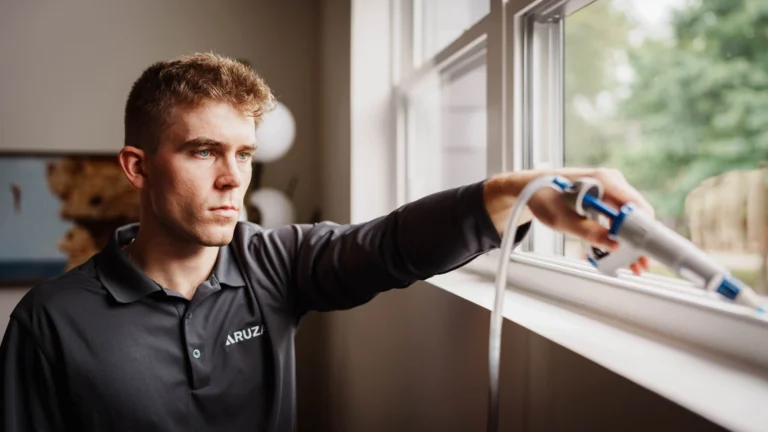
Think bed bugs may have followed you home? Do not wait for them to spread. Schedule a professional bed bug inspection with Aruza.
College Visits and Move-In
August brings another type of travel for many families: college tours, dorm move-ins and apartment moves.
Students may be moving luggage, backpacks, bedding, furniture and clothing through hotels, dormitories, apartments and shared living spaces.
The same precautions that apply to vacation and business travel apply here. Inspect sleeping areas before settling in. Keep luggage and backpacks off beds when possible. Check belongings before returning home.
Parents should also think about the return trip. When students come home for weekends, holidays or school breaks, bags and laundry may be traveling with them.
A consistent travel routine can help reduce the chances of an unwanted hitchhiker coming home too.
Can Bed Bugs Live in a Clean Home?
Absolutely. Bed bugs are not a sign of poor housekeeping. They are primarily looking for access to a host and suitable places to hide.
A spotless hotel room, apartment or home can still experience bed bugs if they are introduced through luggage, furniture, clothing or other belongings.
Cleaning and reducing clutter can make bed bugs easier to detect and eliminate hiding areas, but cleanliness alone does not prevent an introduction.
Why Can Bed Bugs Be Difficult to Eliminate?
Bed bugs are good at hiding. They can occupy very small cracks and crevices in mattresses, bed frames, furniture, baseboards and other areas close to where people rest.
Successful treatment also must address different stages of the bed bug life cycle. That is one reason treating only the insects you happen to see may not solve the underlying problem.
Professional bed bug control typically requires careful inspection, proper identification and a treatment strategy based on the extent and location of the activity.
Why DIY Bed Bug Treatment Can Be Difficult
Finding a bed bug can create an understandable temptation to immediately spray the area. But bed bug control is not simply about killing the insects that are visible.
An effective approach requires determining where bed bugs are hiding and preventing the infestation from spreading to additional areas. Moving furniture, bedding, clothing or other belongings from an affected room into another part of the house can spread the problem.
Foggers or bug bombs should not be relied upon as the primary solution for a bed bug infestation. The U.S. Environmental Protection Agency also advises against relying on foggers to treat bed bugs, since these products often fail to reach the cracks and crevices where bed bugs hide.
If you suspect bed bugs, identifying the pest and understanding the extent of the activity should come before randomly treating rooms throughout the home.
ARUZA PRO TIP: Do Not Unpack Your Vacation in the Bedroom
One of the easiest habits to change happens before there is ever a bed bug problem. Do not automatically bring your suitcase into the bedroom and unpack it on the bed.
When you return from a trip, inspect luggage and belongings first. Handle washable travel clothing appropriately and keep luggage away from sleeping areas while you are checking it.
If you discover something suspicious, keeping potentially affected belongings contained can help prevent you from unintentionally moving the problem throughout the house.
When Should You Call a Pest Professional?
If you find an insect you suspect is a bed bug, notice repeated signs of activity around your sleeping area or begin seeing suspicious evidence after traveling, professional identification is an important next step.
Bed bugs can be confused with other small insects. A pest professional can help confirm whether you are dealing with bed bugs and, if so, evaluate the extent of the problem and recommend an appropriate treatment strategy.
Early detection is especially valuable because a small, localized problem can become much more difficult to address after bed bugs have spread into additional rooms or belongings.
Travel Smart. Do Not Bring Bed Bugs Home.
Travel should end with photos, souvenirs and good memories. Not bed bugs.
Whether you are returning from a family vacation, business trip, weekend getaway or college visit, taking a few minutes to inspect your room and belongings can help reduce the chance of bringing unwanted hitchhikers home.
And if you suspect they made the trip anyway, do not wait for the problem to spread. Contact Aruza Pest Control to schedule a professional bed bug inspection and learn about the treatment options available for your home.
Frequently Asked Questions
Can bed bugs travel home with you from a hotel?
Yes. Bed bugs are effective hitchhikers and can travel in luggage, clothing, bags and other belongings.
Where should I put my suitcase in a hotel?
Use an inspected luggage rack and keep luggage away from the bed. Avoid placing suitcases directly on beds or floors.
Should I inspect my hotel room for bed bugs?
Yes. Check the mattress and headboard and inspect the luggage rack before unpacking.
What should I do with my clothes after traveling?
Inspect your belongings when you return. For clothing and fabrics that can safely tolerate it, high dryer heat can kill bed bugs. Washing alone may not be sufficient.
Can bed bugs live in a clean hotel?
Yes. Bed bugs are not caused by poor housekeeping and can occur in clean environments.
Can bed bugs hide in luggage?
Yes. Seams, pockets, folds and other protected areas of luggage can provide hiding places.
What should I do if I think I brought bed bugs home?
Avoid moving potentially affected belongings throughout your home. Have the insect or suspected activity professionally identified and determine the extent of the problem before attempting widespread treatment.
Are bed bugs only a problem during summer travel?
No. Bed bugs can be encountered year-round. Summer vacations and August college travel simply create timely reasons for homeowners to think about travel-related prevention.