If you are suddenly finding stink bugs around your windows, doors, or inside your home, you are not alone. Stink bug activity picks up as temperatures fall in autumn. These insects start looking for protected places to spend the winter, and your home can offer exactly the shelter they want.
Stink bugs are mostly a nuisance indoors. They do not bite people or pets, and they do not damage your home. But seeing them inside usually means they have already found openings around the exterior.
Here is why stink bugs show up, what attracts them, how to get rid of the ones already inside, and how to keep more from following.
What Does a Stink Bug Look Like?
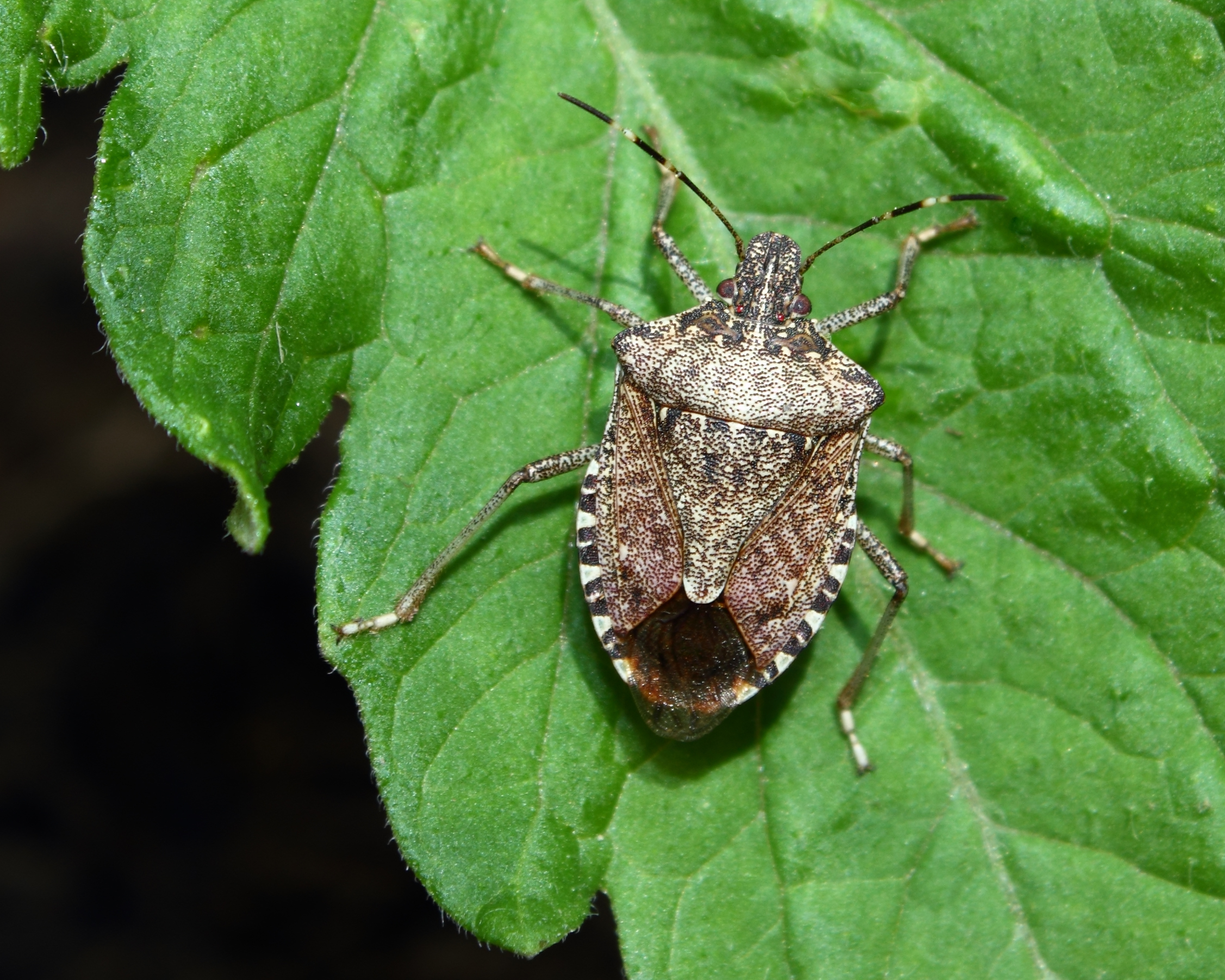
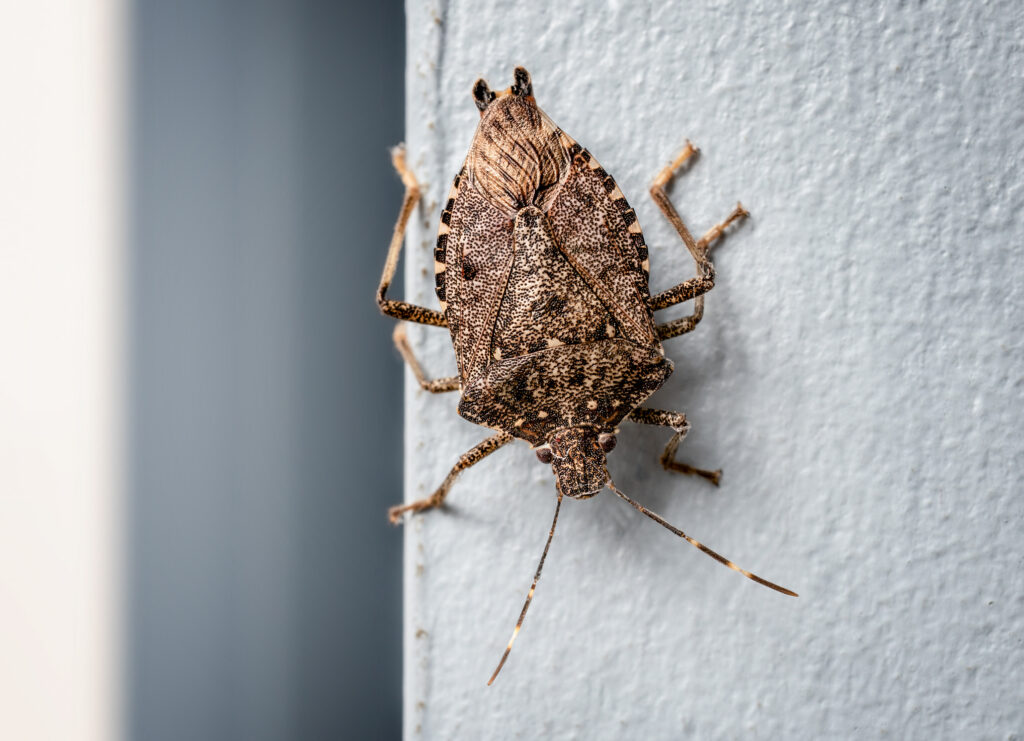
The stink bug most homeowners find indoors is the brown marmorated stink bug, an invasive species that arrived from Asia in the 1990s. It is shield-shaped, close to the size of a dime, and mottled brown, with light bands on its antennae and along the edges of its body. Across the Carolinas, it is the species most likely to gather on homes in the fall. In Florida and Texas, green stink bugs are more common around gardens and landscaping, though they can wander indoors too.
Two other fall invaders often appear at the same time and respond to the same prevention steps. Asian lady beetles look like ladybugs but range from yellow-orange to red, often with a white “M” or “W” marking behind the head, and they can pinch and leave yellow stains when disturbed. Kudzu bugs, common in the Carolinas, are small, olive-brown, and squarish, and they can stain skin and surfaces when crushed.
Why Are Stink Bugs Coming Into My House?
As late summer turns to fall, stink bugs look for sheltered places to spend the colder months. Homes provide plenty of protection, and even very small openings can let them in. Common entry points include:
- Gaps around windows and doors
- Cracks in siding
- Openings around attic vents, soffits, and fascia
- Gaps where utility lines and pipes enter the house
- Damaged screens and worn weatherstripping
Once inside, stink bugs hide in wall voids, attics, and other protected spaces, and in living areas they tuck in behind picture frames, curtains, and door and window trim. A stink bug that finds a good hiding spot also releases a scent that draws others to the same place, which is how a few on a porch screen can turn into dozens. That is also why you may keep seeing them on warm winter days, long after they first came in. By the time you notice one crawling across a window or wall, others may already be tucked into hidden areas of the home.
What Attracts Stink Bugs to Your Home?
Cooler Fall Weather
The biggest trigger is the change in season. As days and nights cool, stink bugs gather on sunny exterior walls, screened porches, and windows before finding a way inside. Our technicians often spot the warning signs first. On some homes, we have found stink bugs clustered heavily along porch screens well before the homeowner noticed any activity inside. That exterior buildup is an early sign they are looking for a way in.
Exterior Lighting
Stink bugs are attracted to light. Bright fixtures near doors and windows can draw them toward entry points in the evening, so reducing unnecessary lighting or moving it away from entrances can help.
Landscaping and Vegetation
Before moving toward homes, stink bugs spend time on plants, trees, gardens, and ornamental landscaping. Shrubs and branches that touch the house give them an easy bridge to your exterior.
Small Openings Around the Home
In the end, access is the deciding factor. Small cracks and gaps around windows, doors, vents, soffits, and utility lines give stink bugs exactly what they need to get inside.
How to Get Rid of Stink Bugs Already Inside
Remove stink bugs as soon as you see them, but resist the urge to crush them. They release their namesake odor when crushed or disturbed, and the smell can linger. Instead, try one of these methods:
- Vacuum them up. A wet/dry shop vacuum with a little soapy water in the canister works best, since it keeps the bugs from crawling back out and contains the odor. Avoid your everyday vacuum, where the smell can linger, and empty the canister outdoors.
- Drop them into soapy water. Hold a container of water with a few drops of dish soap under the bug and nudge it in. The soap keeps it from climbing out.
- Set a light trap. Fill a shallow pan with water and a few drops of dish soap, place it in a dark room, and aim a lamp at it overnight. Stink bugs are drawn to the light and fall in. A light trap thins out the numbers but will not clear a heavy infestation on its own.
- Seal and toss. For one or two bugs, pick them up with a tissue or drop them into a sealable plastic bag without squeezing.
If new stink bugs keep appearing every few days, they are still getting in, and the focus should shift to sealing entry points.
Do Indoor Sprays or Essential Oils Work?
Indoor insect sprays may kill the individual stink bugs you can see, but they do not address why the insects are entering. If there are gaps around the exterior, more will keep finding their way in. Strong scents and some essential oils may briefly discourage stink bugs from certain spots, but they do not seal entry points or provide dependable protection. Sealing the exterior matters far more than treating the bugs you can see, and a professionally timed exterior perimeter treatment, applied before stink bugs start moving in, can stop many of them before they ever reach an entry point.
How to Keep Stink Bugs Out of Your Home
Preventing stink bugs from getting in is much easier than dealing with them once they are inside. The best time to start is late summer, before the weather cools. If stink bugs are already gathering on your walls, start now.
- Seal gaps and cracks. Inspect the areas around windows, door frames, siding, rooflines, pipes, and cable or utility entry points, and seal small gaps with an exterior-grade caulk or sealant.
- Repair screens and vents. Check window screens, porch screens, attic vents, and other screened openings. Even small tears can let insects through.
- Check weatherstripping and door sweeps. Replace worn weatherstripping and install tight-fitting door sweeps at the most common entry points.
- Reduce exterior lighting near entrances. Turn off unnecessary lights or move fixtures farther from doors and windows.
- Keep vegetation away from the house. Trim bushes, shrubs, and branches so they do not touch the structure.
- Inspect items before bringing them indoors. Outdoor decorations, patio furniture, and storage boxes can carry insects inside, so give them a quick look first.
Why Year-Round Pest Control Matters
Pest activity does not stop when summer ends. It changes. In summer, flies around the yard are often the main complaint (see our guide on how to get rid of flies outside and keep them from coming back). In fall, stink bugs and other overwintering insects take their place, searching for shelter in and around your home.
With a year-round program such as Aruza’s 360 Service, your home is monitored and treated as those seasonal pressures change. Regular visits also give your technician the chance to spot developing activity around the exterior, like stink bugs gathering on porch screens, before it becomes something you notice throughout the house.
When Should You Call a Pest Control Professional?
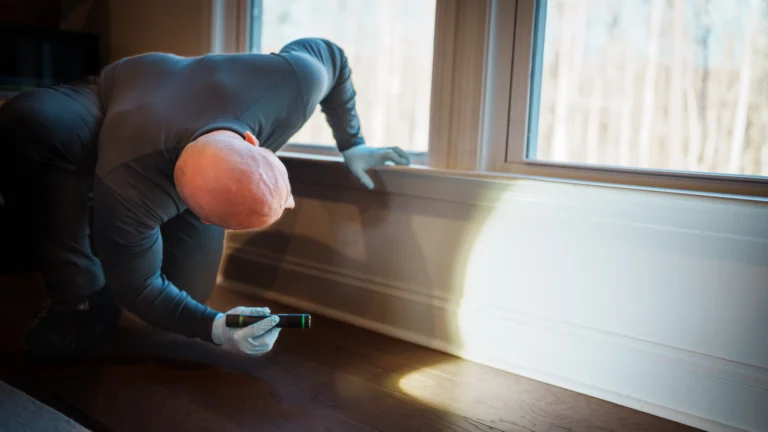
An occasional stink bug does not mean you have a serious pest problem. But if you keep finding them indoors, see them clustering on screens, windows, or exterior walls, or notice large numbers as the weather cools, a professional inspection can pinpoint how they are getting in. That is especially true in older homes with more gaps than you can realistically seal yourself. A Home Health Inspection checks common entry areas, identifies conditions that may be contributing, and determines whether a targeted exterior treatment or an ongoing program makes the most sense for your home.
Stink Bug FAQs
Do stink bugs bite?
No. Stink bugs do not bite people or pets. Their mouthparts are built for feeding on plants, and their only defense is the odor they release when threatened.
Are stink bugs harmful?
Stink bugs are not dangerous to people or pets, are not interested in your food, and do not damage your home’s structure. The main problems indoors are the odor and the sheer number that can gather. Outdoors, they can damage fruit, vegetables, and ornamental plants.
Does killing a stink bug attract more?
No. The odor a crushed stink bug releases does not draw others. What does attract more is a live stink bug that settles into a hiding spot, so remove them promptly without crushing them.
Will stink bugs lay eggs in my house?
No. Stink bugs that come indoors in the fall stay mostly dormant through the winter and do not reproduce inside. They head back outdoors in spring to feed and lay eggs on plants.
Why do I see stink bugs in winter?
Stink bugs that entered in the fall spend the winter in wall voids and attics. On warm, sunny days, they can become active and wander into living spaces, even if no new bugs are coming in.
When do stink bugs go away?
Most leave on their own as temperatures warm in spring. Sealing entry points before next fall is the best way to keep the cycle from repeating.
Stop Stink Bugs Before They Settle In
The best time to deal with stink bugs is before they move in for the season. Watch for activity around screens, windows, doors, and sunny exterior walls as the weather cools, and seal openings, repair screens, and improve weatherstripping before the problem moves indoors.
If stink bugs keep finding their way inside, Aruza Pest Control can help find the source and recommend the right approach for your home. Schedule an inspection or learn more about 360 Service.