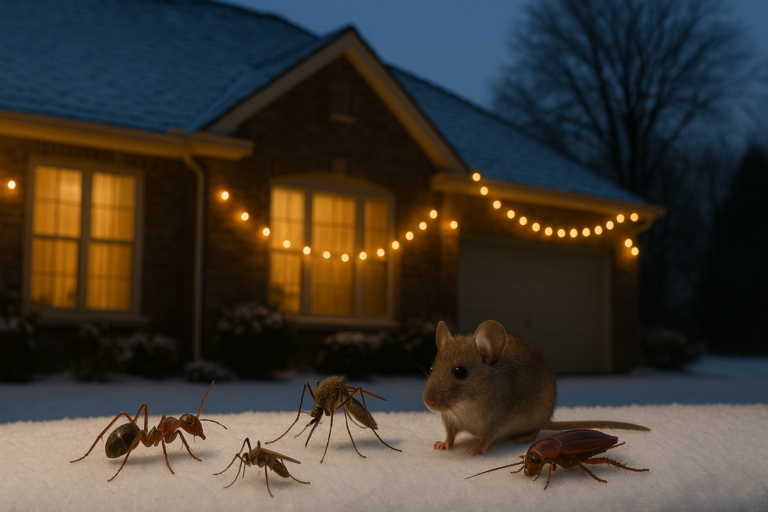
Most winterizing checklists focus on keeping heat in and cold out. But the same gaps that let warm air escape also let mice, roaches, spiders, and other pests in. As temperatures drop, those pests start looking for a warm, dry place to spend the winter, and an unprepared home is an easy target.
The good news: a few hours spent winterizing your house in the fall can keep it warmer, lower your energy bills, and keep pests outside where they belong. This room-by-room checklist covers the areas that matter most, from the attic to the crawl space, with simple steps you can take this weekend.
Where Do Bugs Go in the Winter?
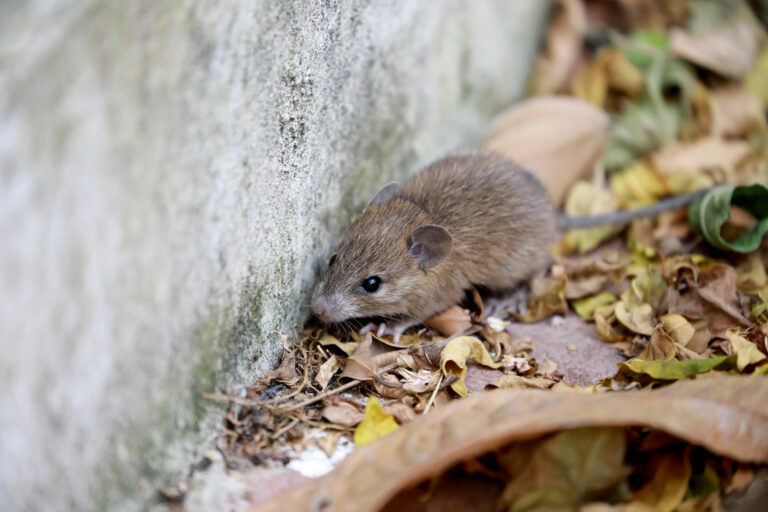
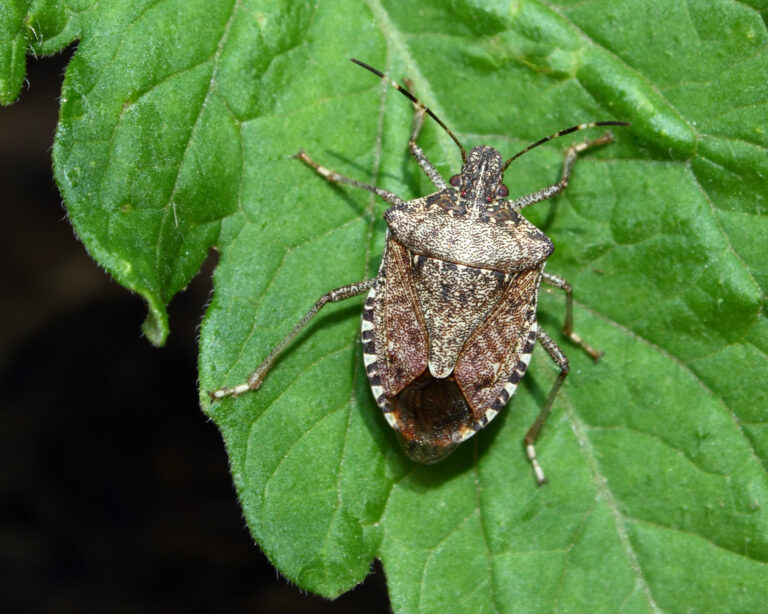
Most insects do not die off when it gets cold. Many slow down and wait out the winter in a dormant state, tucked into leaf litter, soil, mulch, tree bark, or woodpiles. Others look for shelter in and around homes. Stink bugs and Asian lady beetles squeeze into wall voids and attics to stay dormant until spring. Mice, rats, and roaches do not go dormant at all; they move indoors, where warmth, food, and water keep them active all season.
That is why winterizing matters for pest control. Every gap you seal, every leak you fix, and every pile of debris you clear away from the house removes a place for pests to spend the winter.
When Should You Winterize Your Home?
The best time is mid to late fall, before the first hard freeze. Pests begin moving indoors as soon as nights turn cool, so sealing your home early keeps them from settling in for the season.
Timing varies by region. In the Carolinas, hard freezes are common from December through February, and many homes sit over crawl spaces that need attention before then. In Texas, winters are milder, but sudden cold snaps can bring freezing temperatures with little warning. In Florida, freezes are rare, but cool fronts still push mice and roaches indoors, and winter humidity can feed moisture problems that attract pests. For a closer look at what is active where you live, see our guide to winter pest activity in North Carolina, South Carolina, Florida, and Texas.
Exterior and Foundation
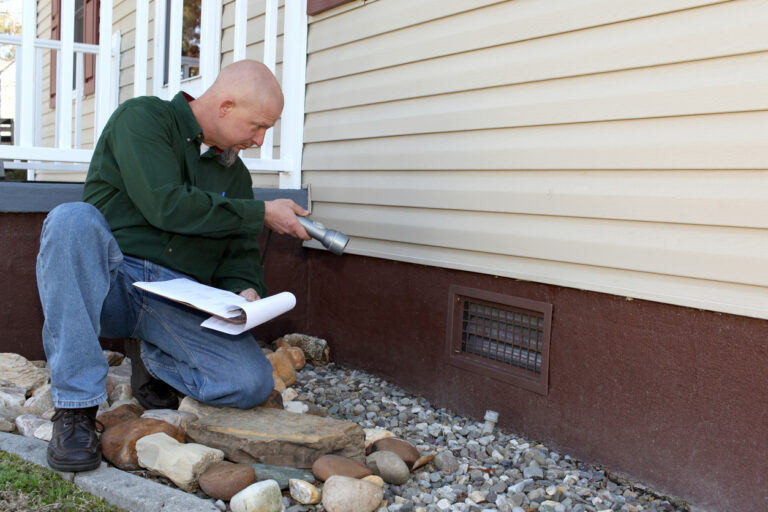
Most pests get inside through small openings along the outside of the house. A mouse can squeeze through a gap about the size of a dime, and many insects need even less room.
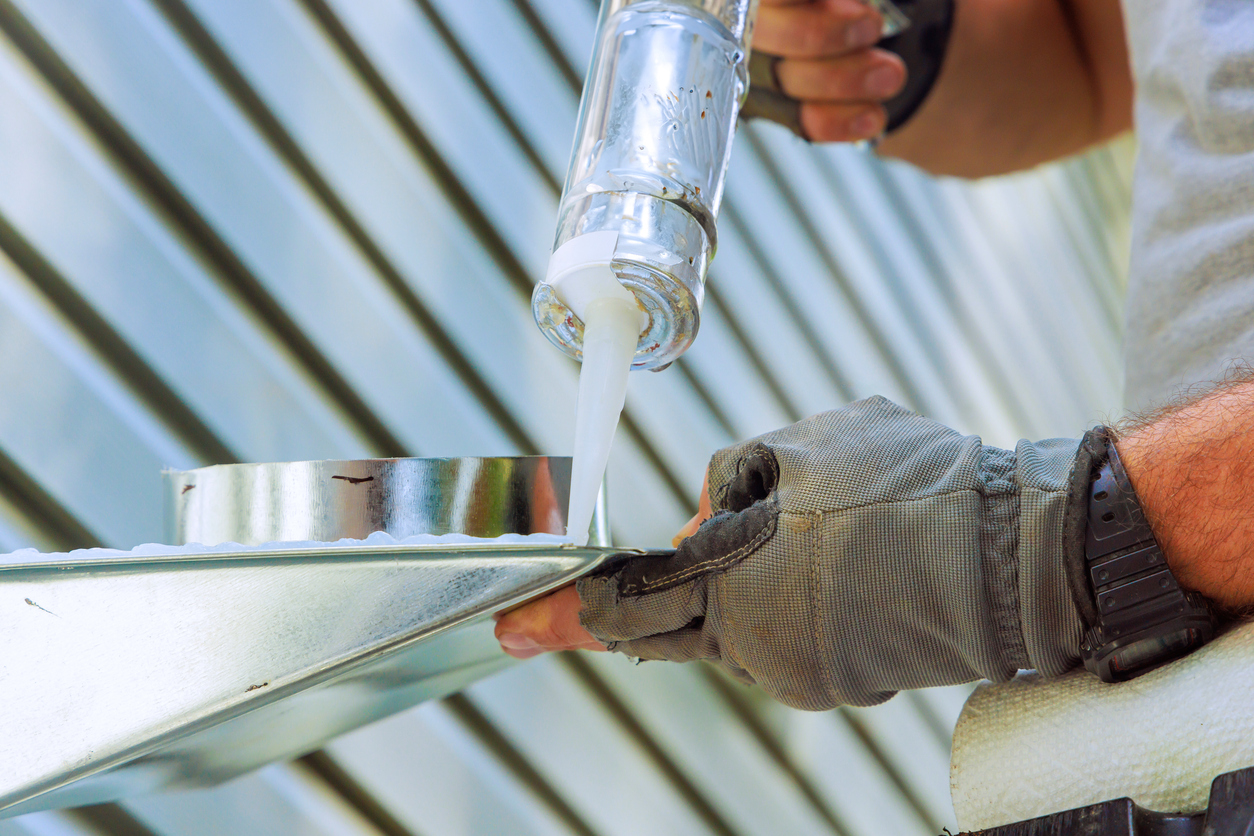
- Seal gaps around pipes, cables, and air conditioning lines. Use exterior-grade caulk for small cracks and expanding foam for larger gaps. In spots where rodents may chew, pack copper mesh or steel wool into the gap first, then seal over it.
- Winterize doors and windows. Caulk gaps around window and door frames, replace worn weatherstripping, install tight-fitting door sweeps, and repair torn screens.
- Screen every vent and the chimney. Dryer, attic, and foundation vents should have intact screens or covers, and a chimney cap with mesh keeps out birds, bats, and rodents.
- Protect brick weep holes the right way. These small openings near the base of brick walls let moisture escape, so never fill them solid. Use weep hole covers made for the purpose.
- Clean gutters and redirect downspouts. Clogged gutters and water pooling along the foundation create damp conditions that attract roaches, silverfish, and termites.
- Seal the less obvious gaps. Check the seam where siding meets a brick or block foundation, cracked mortar joints, and the edges of exterior light fixtures, outlets, and vent covers. Insects crawl up walls and slip into these small openings.
- Repair damaged wood. Soft or rotting wood along eaves, fascia boards, and trim invites insects and gives rodents an easier way to chew in.
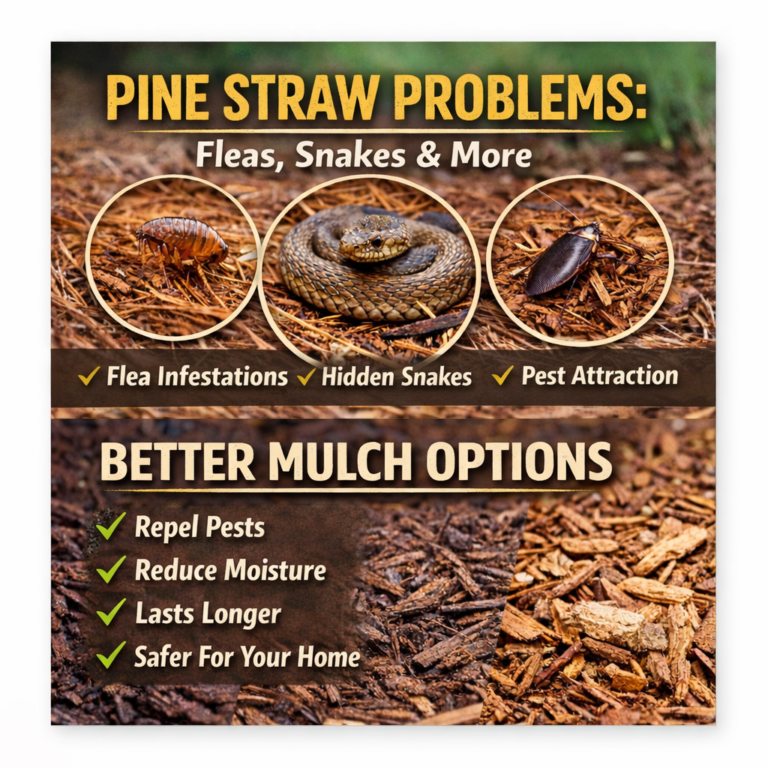
- Clear the foundation line. Rake leaves away from the house, pull mulch back a few inches from the foundation, trim shrubs and branches that touch the house, and store firewood off the ground and away from exterior walls.
- Move bird feeders away from the house. Spilled seed is an easy winter food source for mice and rats, and it draws them right to your foundation.
- Winterize outdoor faucets. Disconnect garden hoses, drain the lines if your home has shutoff valves, and cover exposed spigots with insulated covers to prevent freezing.
- Rethink outdoor lighting. Bright white lights near doors draw insects toward entry points. Yellow bug lights or fixtures placed away from doors attract fewer of them.
Attic
Warm air rises, which makes the attic one of the most inviting spaces in the house for mice, rats, and overwintering insects. It is also where poor insulation costs you the most in heating bills.
- Check your insulation. If you can see the tops of the ceiling joists, you likely need more insulation. Look for areas that are thin, compressed, or uneven.
- Look for signs of pests. Droppings, tunnels through the insulation, chewed wiring, and nesting material all point to rodent activity. Our guide on how to get rid of mice covers what to do if you find them.
- Inspect attic vents. Gable, soffit, and ridge vents should be screened, sealed tightly, and in good repair.
- Seal the attic hatch. Add weatherstripping around the attic door or hatch to stop warm air and pests from moving between the attic and living space.
If your attic needs more insulation, consider pest control insulation. Aruza’s blown-in cellulose insulation is treated with the Zone Defense® borate additive, which helps protect against rodents, roaches, ants, termites, and silverfish while improving energy efficiency.
Crawl Space or Basement
Crawl spaces are common across the Carolinas, and they are one of the most overlooked areas when winterizing. Cold air, moisture, and pests can all enter the home from below.
- Check the vents. Open crawl space vents let in cold, damp air during winter, and every vent should have an intact screen to keep pests out. Our guide to crawl space vents in winter explains when to close them.
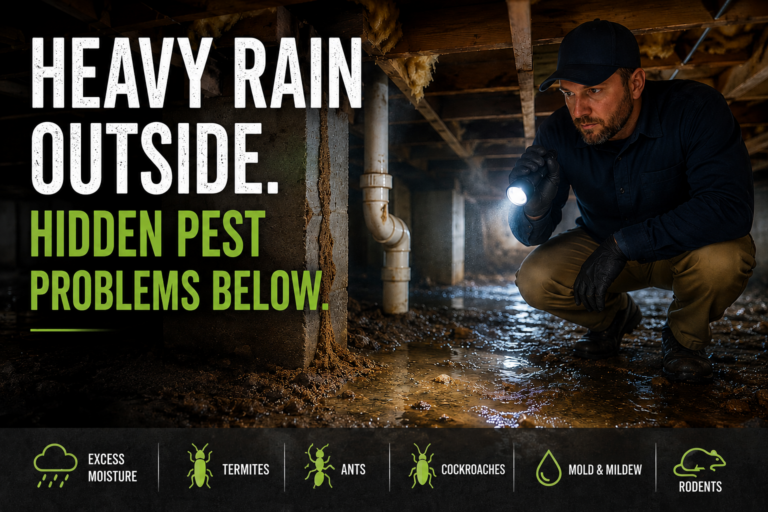
- Look for moisture. Standing water, damp soil, musty smells, and condensation on pipes or ductwork are warning signs. Keeping humidity in the crawl space below 60 percent helps prevent mold, wood rot, and pests.
- Inspect the vapor barrier. A plastic ground cover should cover the soil completely. Torn or missing sections let moisture rise into the space.
- Protect exposed pipes. Pipes in an unheated crawl space can freeze during a hard cold snap. Insulate them and seal drafts around them.
- Seal access doors and foundation cracks. Make sure the crawl space door closes tightly and that cracks in the foundation are sealed.
If your crawl space stays damp, Aruza’s moisture control and encapsulation service includes vapor barriers, dehumidifier installation, and sealing to keep the space dry and less inviting to pests.
Garage
Garages are one of the most common ways pests get into a home, especially for mice.
- Check the garage door seal. Replace a worn bottom seal and look for gaps at the corners, a favorite entry point for mice.
- Store food in sealed containers. Pet food, birdseed, and grass seed should go into hard plastic or metal bins with tight lids.
- Swap cardboard for plastic bins. Cardboard boxes make easy nesting material and hiding places.
- Clear clutter along the walls. Keeping floors and walls clear makes it easier to spot droppings or other signs of pests early.
Kitchen and Pantry
Once pests get inside, the kitchen is usually where they head first, for food and water.
- Seal pantry food. Move flour, cereal, rice, and snacks into airtight containers.
- Clean behind and under appliances. Crumbs and grease behind the stove, refrigerator, and dishwasher feed mice and roaches all winter.
- Use trash cans with tight lids, and take trash out regularly.
- Fix leaks under the sink. Even a slow drip gives roaches and other pests the water they need.
- Seal gaps around plumbing and baseboards. Caulk where pipes enter the wall under sinks and along gaps in baseboards and trim.
Bathrooms and Laundry Room
- Repair leaks and run exhaust fans. Moisture from showers and leaky fixtures attracts silverfish, roaches, and centipedes.
- Check the dryer vent. Make sure the exterior flap closes fully and the vent is screened or covered.
- Watch for condensation. Foggy windows and damp walls in winter are signs of excess indoor humidity, which can draw pests and lead to mold.
Before You Bring Things Inside
- Inspect holiday decorations. Boxes stored in the attic, garage, or shed can hold spiders, rodents, or droppings. Check them outside before bringing them in.
- Bring in firewood only as you need it. Insects and spiders hiding in the wood can become active once they warm up indoors.
Your Winterizing Checklist at a Glance
- Seal gaps around pipes, cables, utility lines, and light fixtures
- Move bird feeders away from the house
- Caulk window and door frames and replace worn weatherstripping and door sweeps
- Repair window, vent, and dryer screens, and cap the chimney
- Clear leaves, mulch, and firewood away from the foundation
- Disconnect hoses and cover outdoor faucets
- Check attic insulation and look for signs of rodents
- Inspect crawl space vents, moisture, and vapor barrier
- Insulate exposed pipes in unheated spaces
- Seal the garage door and store food in sealed bins
- Store pantry food in airtight containers and keep trash lidded
- Fix leaks under sinks and in bathrooms
Why Pest Control Still Matters in Winter
It is tempting to pause pest control when the weather turns cold. In the South, though, winter rarely stays cold for long. A few warm days between cold fronts are enough to bring ants, roaches, and spiders out looking for food and water, and mice and rats stay active all winter. Ant colonies, for example, can survive underground through the cold and send workers out on the first warm afternoon. That is often when homeowners notice pests inside.
A year-round pest control plan keeps a protective barrier in place around windows, doors, and the foundation through those warm spells, so pests that become active are stopped before they get inside. Winter service visits are also a good time for your technician to check for rodent activity and the entry points that cold weather tends to reveal.
When to Call a Professional
Some winterizing tasks are easy to handle on your own. Others, like finding hidden entry points along the roofline, checking a crawl space for moisture, or spotting early signs of rodents in the attic, are easier with a trained eye.
Aruza’s free Home Health Inspection covers five areas of your home: the attic, interior, foundation, crawl space or basement, and yard. Your inspector documents active pests, entry points, and moisture problems, then walks you through the findings and a written plan for your home. If mice are already getting in, our rodent exclusion service seals the gaps with materials built to last.
Frequently Asked Questions About Winterizing Your Home
When should I winterize my home?
Mid to late fall is ideal, before the first hard freeze and before pests settle in for the season. In most of the Carolinas and Texas, that means October or November.
Where do bugs go in the winter?
Most insects survive winter outdoors in a dormant state, hidden in leaf litter, soil, mulch, bark, or woodpiles. Some, like stink bugs and Asian lady beetles, shelter inside walls and attics. Mice and roaches move indoors and stay active all winter. Our guide to stink bugs in your home explains how to keep overwintering insects out.
Do bugs die in the winter?
Some do, but most survive by going dormant until spring or by moving into sheltered spaces, including homes. That is why pests often seem to reappear on the first warm day.
Do mice hibernate in the winter?
No. Mice stay active all winter, which is why they move indoors when temperatures drop. Sealing entry points in the fall is the best way to keep them out.
Should I close my crawl space vents in winter?
For most homes with a traditional vented crawl space, closing or covering the vents in winter helps protect pipes and keeps floors warmer. Closing vents does not solve a moisture problem on its own, though. If your crawl space contains a fuel-burning appliance, have an HVAC professional confirm its combustion-air requirements before closing the vents. Our guide to crawl space vents covers the details.
Does winterizing really lower energy bills?
Yes. ENERGY STAR estimates that homeowners can save an average of 15 percent on heating and cooling costs by sealing air leaks and adding insulation, and the same sealing helps keep pests out.
Do I need pest control in the winter?
Yes, especially in the Carolinas, Florida, and Texas. Warm spells between cold fronts bring insects out looking for food and water, and mice and rats stay active all winter. Keeping your service going through winter keeps protection in place for the first warm days, when pests often show up indoors.
How do I winterize outdoor faucets?
Disconnect garden hoses, shut off and drain the water to outdoor faucets if your home has interior shutoff valves, and cover the spigots with insulated covers. This helps prevent frozen and burst pipes.
Get Your Home Ready for Winter
A little preparation now keeps your home warmer, drier, and pest-free all season. Work through the checklist, and if you would like a professional to look for the entry points and moisture problems that are easy to miss, schedule a free Home Health Inspection with Aruza.