When the first cold nights arrive and the first winter heating bill follows, the attic is often the reason. Heat rises, and in a home with thin, damaged, or poorly installed attic insulation, much of the warmth you pay for drifts right through the ceiling and out of the house.
A well-insulated attic keeps your home warmer in winter, cooler in summer, and less inviting to the mice and insects that look for warm places to nest. Here is how much attic insulation you need, how to tell if yours is falling short, and what to do about it.
Why Attic Insulation Matters in Winter
Your attic sits between your living space and the outdoors, and it is where the most heat escapes. Insulation slows that heat loss, which keeps rooms more comfortable and helps your heating system run less often.
In the South, attic insulation works year-round. The same insulation that holds heat in during winter keeps summer heat from pouring down into your home, which matters just as much in the Carolinas, Florida, and Texas, where summer cooling costs often run higher than winter heating.
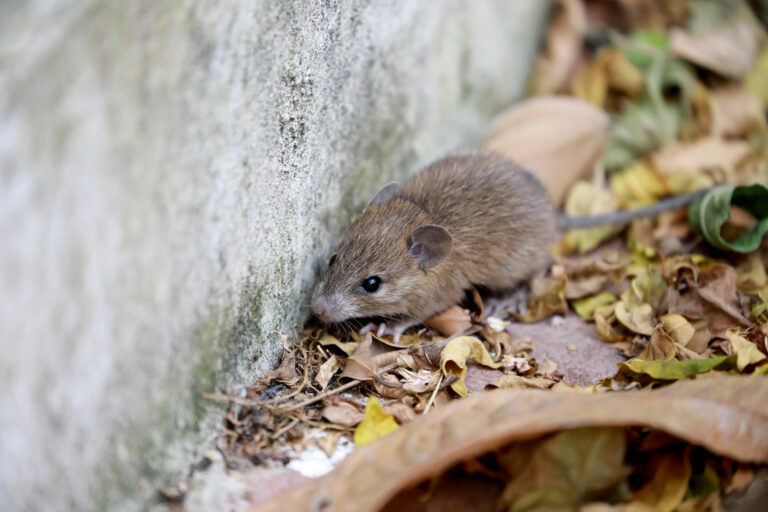
Insulation also matters for pests. Mice and rats are drawn to the warmth of an attic in winter, and loose insulation gives them an easy place to tunnel and nest. Thin or damaged insulation is often a sign that pests have already moved in.
How Much Insulation Do You Need in Your Attic?
Insulation is measured by R-value, its ability to resist heat flow. The higher the R-value, the better it insulates. How much you need depends on your climate zone. ENERGY STAR’s current recommendations for an uninsulated attic in an existing home are:
- Climate zone 1 (South Florida): R-30
- Climate zones 2 and 3 (most of Florida, Texas, and South Carolina, and the Charlotte area): R-49
- Climate zone 4 (much of central and western North Carolina): R-60
If your attic already has 3 to 4 inches of insulation, ENERGY STAR recommends topping it up to R-25 in zone 1, R-38 in zones 2 and 3, and R-49 in zone 4. You can find your zone by entering your ZIP code on ENERGY STAR’s insulation map.
How many inches is that?
Depth depends on the material. Blown-in cellulose provides roughly R-3.5 per inch, so R-49 works out to about 14 inches. Blown-in fiberglass provides roughly R-2.5 per inch, so the same R-49 takes closer to 20 inches. Many older homes in the South were built with far less, often 6 inches or fewer.
A quick check you can do yourself
Look across your attic floor. If you can see the tops of the ceiling joists, your insulation is below the recommended level and it is time to add more. If the insulation sits well above the joists and looks even from one side of the attic to the other, you are likely in good shape. Use a flashlight, step only on the joists or attic walkways, and never step between them, since the ceiling below will not hold your weight.
Signs Your Attic Insulation Is Failing
Insulation can last for decades when it stays dry and undisturbed, but it does not always get that chance. Watch for these warning signs:
- Rising energy bills without a change in how you heat or cool your home.
- Uneven temperatures, with some rooms, often those under the attic, staying colder in winter and hotter in summer.
- Visible ceiling joists or insulation that looks thin, patchy, or uneven.
- Compressed or matted insulation. Insulation that has been flattened by storage boxes, foot traffic, or settling loses much of its R-value.
- Water stains, dampness, or mold. Wet insulation stops insulating, and moisture from roof leaks or poor ventilation can ruin it.
- Dark or dirty patches. Gray or black spots in the insulation often mark places where air is leaking up from the living space, carrying dust with it.
- Signs of pests. Tunnels, droppings, nesting material, chewed wiring, or a lingering odor all point to rodents living in the insulation.
How Pests Damage Attic Insulation
An attic is one of the first places mice and rats settle when the weather turns cold. Once inside, they tunnel through loose insulation, pack it down into nests, and pull it apart for nesting material. Every tunnel and flattened area lowers its R-value.
Rodent droppings and urine can also contaminate insulation, causing odors and health concerns that cleaning cannot always fix. In those cases, the affected insulation should be removed and replaced, after the entry points are sealed so the problem does not return. Our guide on how to get rid of mice covers the signs of an infestation and how to handle it.
How to Improve Your Attic Insulation
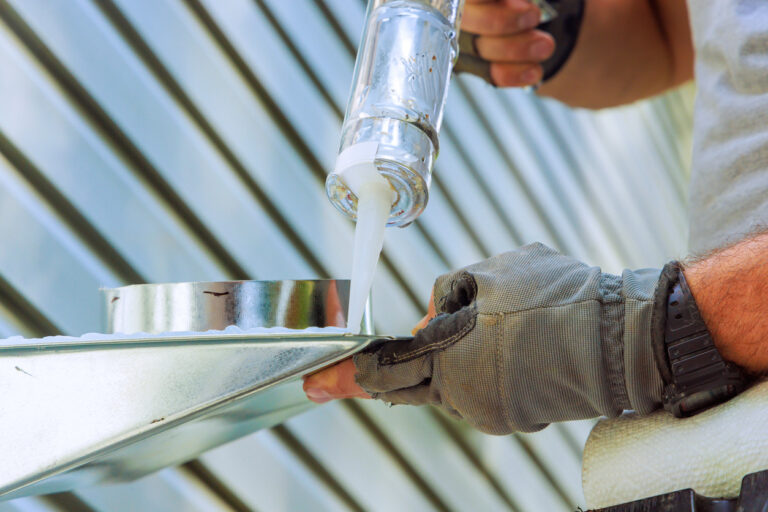
- Seal air leaks first. Gaps around wiring, plumbing vents, light fixtures, and the attic hatch let warm air escape no matter how much insulation you add. Sealing them before insulating makes the new insulation far more effective.
- Remove damaged insulation. Insulation that is wet, moldy, or contaminated by rodents should come out before new insulation goes in.
- Keep vents clear. Soffit vents need open airflow to keep the attic dry, so insulation should not block them. Baffles hold insulation back from the vents.
- Add insulation to the recommended depth, spreading it evenly across the attic floor.
- Close off pest entry points. Screen attic vents and seal gaps along the roofline so mice cannot reach the new insulation.
How Pest Control Insulation Adds Protection
Standard insulation keeps heat in, but it does nothing to keep pests out. Aruza’s pest control insulation does both. It is a blown-in cellulose insulation treated with the Zone Defense® borate additive, which helps protect against rodents, roaches, ants, termites, and silverfish while improving your home’s energy efficiency.
Because it is blown in, it fills gaps and corners evenly, and it can be added over existing insulation that is in good condition. If your current insulation has been damaged by pests or moisture, our team removes it first so the new insulation starts clean.
Part of Getting Your Home Ready for Winter
Your attic is one stop on a complete winter checklist. Our guide on how to winterize your home against pests walks through the exterior, crawl space, garage, and kitchen as well, with simple steps to keep heat in and pests out all season.
When to Call a Professional
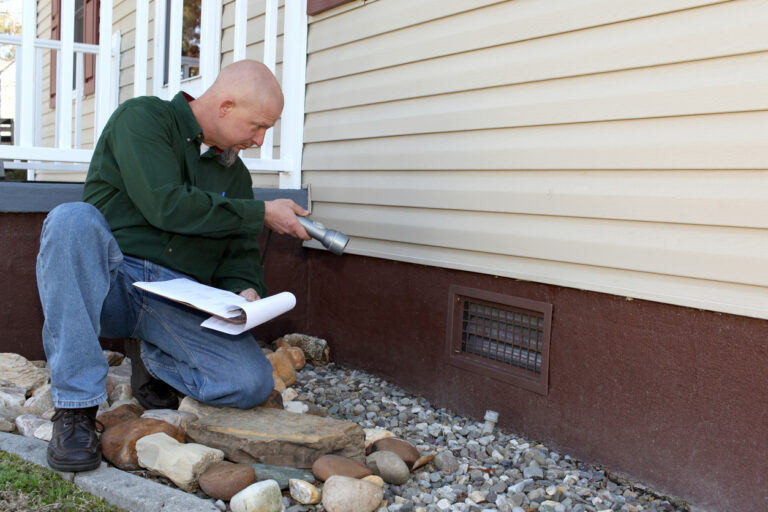
If you are not sure how much insulation you have, whether it is damaged, or whether pests have moved in, a professional inspection gives you a clear answer. Aruza’s free Home Health Inspection includes your attic, where your inspector checks insulation condition, signs of rodents and insects, and entry points, then walks you through a written plan for your home.
Frequently Asked Questions About Attic Insulation
How much insulation do I need in my attic?
It depends on your climate zone. ENERGY STAR recommends R-49 for an uninsulated attic in climate zones 2 and 3, which cover most of Florida, Texas, and South Carolina, and R-60 in zone 4, which includes much of central and western North Carolina. South Florida, in zone 1, needs R-30.
How thick should attic insulation be?
For R-49, plan on about 14 inches of blown-in cellulose or about 20 inches of blown-in fiberglass. A simple check: if you can see the tops of your ceiling joists, you need more insulation.
How long does attic insulation last?
Insulation can last for decades if it stays dry and undisturbed. Moisture, settling, compression, and pest damage shorten its life and reduce how well it works.
When should attic insulation be replaced?
Replace insulation that is wet, moldy, or contaminated by rodent droppings or urine. Insulation that is dry and clean but too thin can usually stay in place, with new insulation added on top.
Can I add new insulation over old insulation?
Yes, as long as the existing insulation is dry, free of mold, and free of pest contamination. Adding blown-in insulation over sound existing insulation is a common way to reach the recommended level.
What is the best insulation for an attic?
Blown-in cellulose and blown-in fiberglass are the most common choices for attic floors because they fill gaps evenly. Cellulose treated with a borate additive, like Aruza’s pest control insulation, also helps protect against pests.
How much does attic insulation cost?
Cost depends on the size of your attic, how much insulation is already there, whether old insulation needs to be removed, and the material you choose. A free Home Health Inspection is the easiest way to get a recommendation and estimate for your home.
Keep the Heat In and the Pests Out
A properly insulated attic keeps your home comfortable, lowers your energy bills, and gives pests one less place to settle in for the winter. If your attic is due for a check, schedule a free Home Health Inspection and Aruza will help you find the right solution for your home.