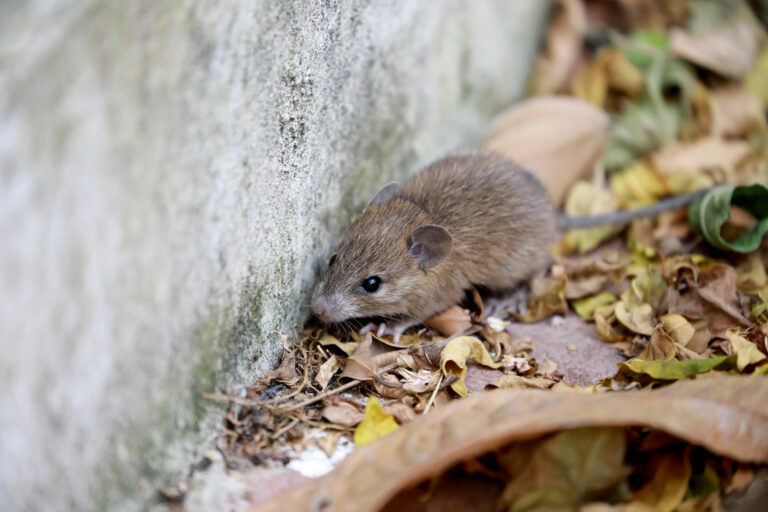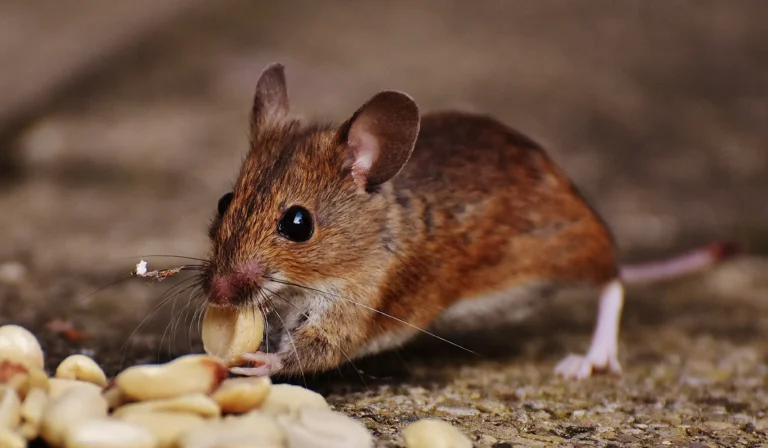
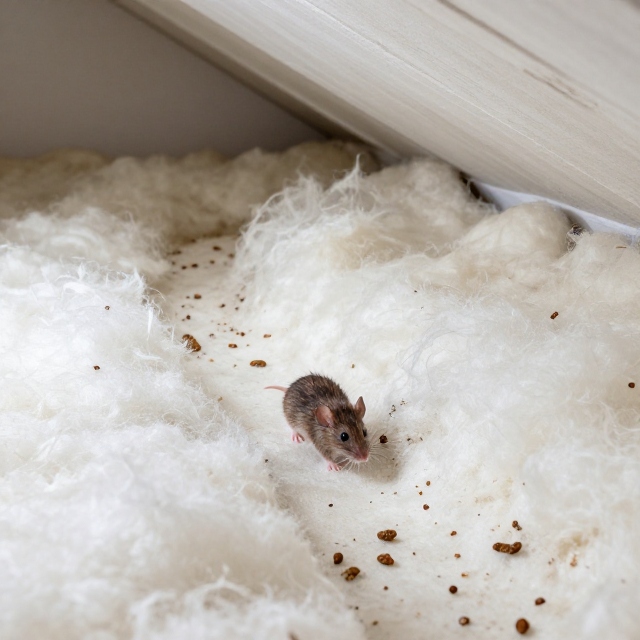
It usually starts with a sound. Light scratching or scurrying overhead after dark, often on the first cold nights of the season. If you are hearing it, there is a good chance mice have found their way into your attic, and attic insulation is one of their favorite places to settle in.
Mice in the attic are more than a nuisance. They tunnel through insulation, nest in it, and leave droppings and urine behind, which can ruin the insulation you rely on to keep your home warm. Here is how to tell if mice are in your attic, what they do to your insulation, how to clean up safely, and how to know when the insulation needs to be replaced.
Signs of Mice in Your Attic
Mice are quiet, quick, and most active at night, so most homeowners notice the evidence before they ever see one. Look and listen for:
- Scratching or scurrying at night, especially in the ceiling above bedrooms or along the walls near the roofline.
- Droppings. Small, dark, rod-shaped pellets about 1/8 to 1/4 inch long, often along joists, near the attic hatch, or on top of insulation.
- Tunnels and trails in the insulation. Mice burrow through loose insulation, leaving runways, flattened paths, and holes.
- Nests. Balls of shredded insulation, paper, fabric, or cardboard tucked into corners, under eaves, or inside stored boxes.
- Chewed wiring, ducts, or stored items. Mice gnaw constantly to keep their teeth in check.
- A musty or ammonia-like odor that grows stronger over time, especially in warm weather.
- Urine stains on insulation, wood, or drywall, sometimes showing through as discoloration on the ceiling below.
- Pets fixating on the ceiling. Dogs and cats often hear activity long before you do.
Mice or rats?
Rats get into attics too, especially roof rats, which are common across the South. Roof rats are especially common in Florida, including the Jacksonville, Orlando, and Tampa areas Aruza serves. Rat droppings are larger, about 1/2 to 3/4 inch long, and rats make heavier, thumping sounds. The cleanup and insulation steps are similar, but the removal approach differs, so it helps to know which one you have. Our guide on how to get rid of mice explains the differences, and Aruza’s rodent control service handles both.
How Mice Get Into Your Attic
A mouse can fit through an opening about the size of a dime, and mice are excellent climbers. They scale brick, siding, downspouts, and tree branches to reach gaps near the roof. Common entry points include:
- Gaps where the roof meets the fascia or soffit
- Damaged or unscreened gable, soffit, and roof vents
- Openings around plumbing vents, cables, and utility lines
- Tree branches that touch or overhang the roof
- Wall voids that connect the attic to a garage, crawl space, or basement
Finding and sealing these openings is the most important step in solving the problem, because mice that are removed without sealing the gaps are simply replaced by new ones.
What Mice Do to Attic Insulation
- They destroy its ability to insulate. Tunnels, nests, and flattened runways compress the insulation, and compressed insulation loses much of its R-value. That means more heat escaping in winter and higher energy bills.
- They contaminate it. Mice leave droppings and urine wherever they travel. Over time, insulation can become saturated, causing odors and sanitation concerns that cleaning alone cannot fix.
- They shred it for nesting. Mice do not eat insulation, but they pull it apart to build nests, scattering it across the attic and leaving gaps in coverage.
- They create a fire risk. Mice chew on electrical wiring, and damaged wires in an attic surrounded by insulation are a real hazard.
For a refresher on how much insulation your attic should have, see our guide to attic insulation and how much you need.
Is Mouse Poop in Insulation Dangerous?
Mouse droppings and urine can carry bacteria and viruses, so they should be handled carefully. The biggest risk comes from disturbing dried droppings in a way that sends dust into the air, such as sweeping or vacuuming them. Hantavirus, the illness most people worry about, is carried mainly by deer mice and a few other wild rodents, not the common house mouse, but the same precautions apply to any rodent droppings.
If you find droppings in your attic, do not sweep, vacuum, or dig through the insulation without protection. Small, isolated spots can be cleaned safely with the steps below. Large areas, heavily soiled insulation, or a tight attic with poor ventilation are best left to professionals.
How to Clean Up Mouse Droppings Safely
For small areas, the Centers for Disease Control and Prevention recommends this approach:
- Air out the space first. Open windows or vents and let the area air out for at least 30 minutes before you start.
- Wear protection. Put on rubber or plastic gloves. For dusty or enclosed spaces, a well-fitting respirator adds protection.
- Soak, do not sweep. Spray droppings, urine, and nesting material with a disinfectant or a mix of 1 part bleach to 10 parts water until thoroughly wet, then let it soak for about 5 minutes.
- Wipe it up. Use paper towels to pick up the material, seal it in a plastic bag, and throw it away in an outdoor trash can.
- Disinfect and wash up. Clean the surrounding area with disinfectant, then wash your gloved hands, remove the gloves, and wash your hands again with soap and water.
Insulation itself cannot be disinfected the way a hard surface can. If droppings and urine are spread through it, the insulation needs to come out.
When to Replace Attic Insulation After Mice
Not every mouse problem requires new insulation. The right answer depends on how long the mice were there and how much of the attic they used.
Spot cleanup may be enough when:
- The activity was caught early and limited to a small area
- Droppings are few and the insulation is not stained or soaked
- There is no lingering odor once the mice are gone
Removal and replacement is the right call when:
- Droppings, urine stains, or nests are spread across large areas of the attic
- A musty or ammonia odor remains after the mice are removed
- Tunnels and compression have flattened the insulation across much of the attic
- The insulation is wet, moldy, or stained
- Mice have been active for months, or the problem keeps coming back
Adding new insulation on top of contaminated insulation is not a fix. It traps the odor and contamination beneath a fresh layer and can attract new rodents to the same nesting areas.
The Right Order: Stop, Remove, Clean, Replace
Cleaning up or reinsulating before the mice are gone only invites them back. The process works best in this order:
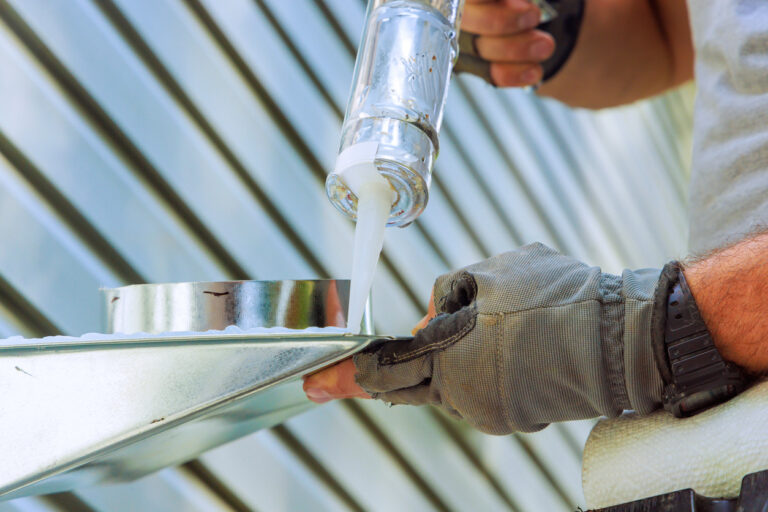
- Stop new mice from getting in. Seal entry points along the roofline, vents, and utility openings with materials mice cannot chew through. Aruza’s rodent exclusion service closes these gaps with materials built to last.
- Remove the mice already inside. Trapping continues until activity stops, which confirms the attic is clear.
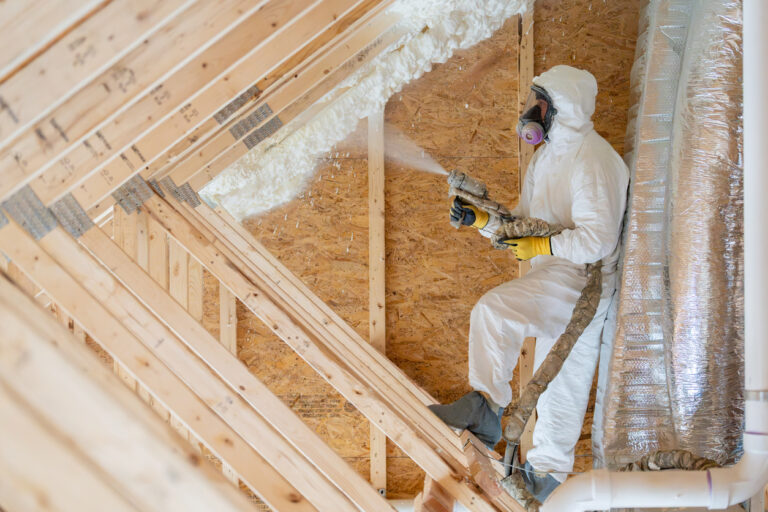
- Remove contaminated insulation and sanitize. Damaged insulation is removed, typically with a high-powered insulation vacuum that sends it straight to a sealed container, and the attic is cleaned and disinfected.
- Reinsulate. New insulation restores your attic’s energy efficiency. This is the ideal time to choose insulation that also protects against insects.
Choosing Insulation That Protects Against Insects
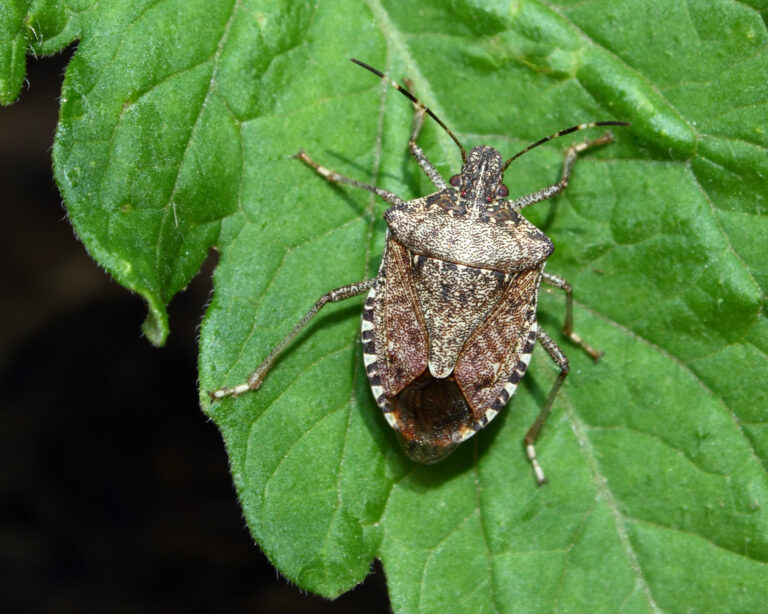
When your attic needs new insulation anyway, it makes sense to choose one that does more than hold in heat. Aruza’s pest control insulation is a blown-in cellulose insulation treated with the Zone Defense® borate additive, which helps protect against roaches, ants, termites, and silverfish while improving your home’s energy efficiency. It does not keep mice or rats out, which is why sealing entry points always comes first.
What Does Attic Insulation Removal Cost?
Every attic is different, so the cost of removing and replacing insulation depends on a few key factors:
- Attic size and how much insulation needs to come out
- How contaminated the insulation is, and how much cleanup and sanitizing the attic needs
- Access, since tight attics with low clearance take longer to work in
- Repairs, such as sealing entry points or replacing damaged vent screens
- The new insulation you choose and the depth needed to reach recommended levels
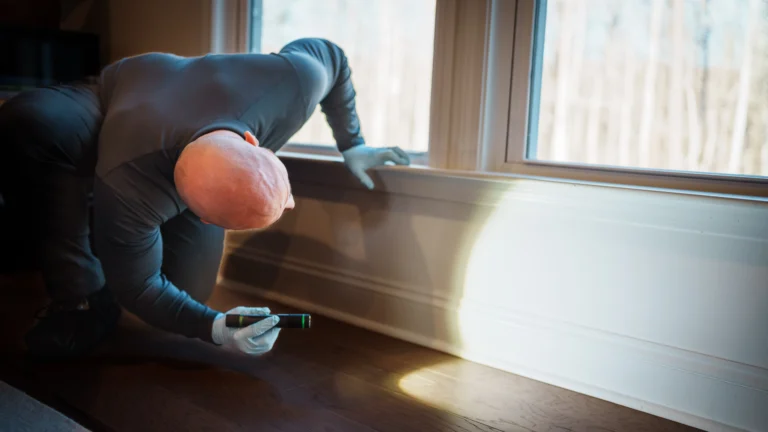
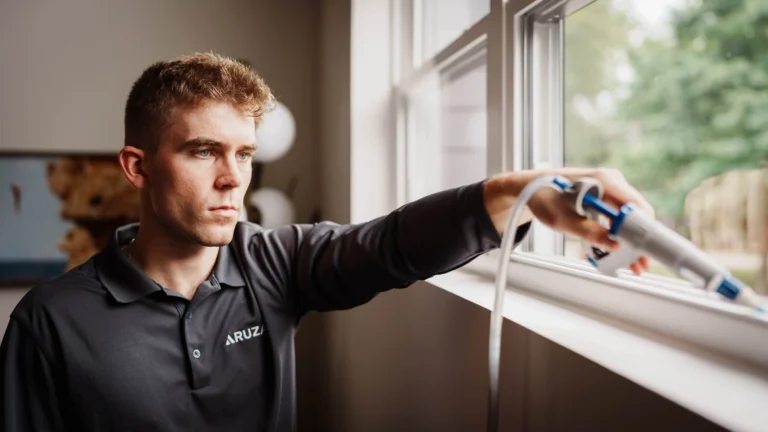
The most reliable way to know what your home needs is an inspection. Aruza’s free Home Health Inspection includes your attic, where your inspector checks for rodent activity, entry points, and insulation damage, then walks you through a written plan with clear recommendations.
Questions to Ask Before You Hire a Pro
If you are comparing pest control companies for a rodent problem in your attic, these questions help you understand what you are getting:
- Will you seal the entry points, or only remove the mice? Removal without exclusion is a temporary fix.
- Are the products you use safe for my family and pets? A good technician explains which products are used, where they are placed, and any precautions to take.
- How will you handle the cleanup? Ask whether contaminated insulation will be removed and the attic sanitized, or only the droppings.
- What happens if mice come back? Ask about follow-up visits and how the company stands behind its work.
- Do you serve my area, and how soon can you come out? Local branches can typically respond faster and know the rodent pressure in your neighborhood. Aruza serves homeowners across North Carolina, South Carolina, Florida, and Texas; see our locations to find your nearest branch.
Frequently Asked Questions About Mice in Attic Insulation
Can mice live in attic insulation?
Yes. Loose attic insulation is warm, quiet, and easy to tunnel through, which makes it an ideal place for mice to nest, especially in winter.
Do mice eat insulation?
No. Mice do not eat insulation, but they shred it for nesting material and tunnel through it, which compresses it and leaves gaps in coverage.
Is mouse poop in insulation dangerous?
Mouse droppings and urine can carry bacteria and viruses, and disturbing dried droppings can send particles into the air. Never sweep or vacuum droppings, and leave large or heavily soiled areas to professionals.
Can I just add new insulation over the old?
Not if the old insulation is contaminated by droppings or urine. New insulation laid over contaminated insulation traps odor and contamination underneath. Remove the damaged insulation first.
How long does it take to get rid of mice in the attic?
It depends on the size of the problem. Once entry points are sealed, trapping usually clears a light infestation within one to two weeks. Larger or longer-term problems can take longer, especially if insulation needs to be removed and replaced.
Will mice leave the attic on their own?
Rarely. As long as the attic offers warmth, shelter, and a way in and out to food, mice have little reason to leave.
How much does attic insulation removal cost?
Cost depends on the size of your attic, how contaminated the insulation is, how easy the attic is to access, and the replacement insulation you choose. A free Home Health Inspection gives you a recommendation for your home.
Get Your Attic Back
If you are hearing mice overhead, the sooner you act, the more of your insulation you can save. Aruza can find how mice are getting in, remove them, seal the gaps, clean up the damage, and restore your attic with fresh insulation. Schedule your free Home Health Inspection to get started.